



Overview
Most surgeons wait 4 to 12 months before harvesting the same scalp again, and they wait 9 to 12 months before judging whether the first result even needs more grafts — those two clocks are not the same.
Surface FUE wounds close in 7 to 14 days, but deeper donor remodeling takes months, which is why a four-month return is an early floor, not a density verdict.
Rushing a second harvest can raise transection and spend a finite lifetime donor supply of roughly 5,000 to 8,000 grafts on a result that is still growing in.
Doctours times the gap with 12 months of US-based aftercare as standard — 36 months of online follow-ups at Dr. Serkan Aygin Clinic — across 15 in-person-vetted clinics priced $2,500 to $7,000.
A second trip is a flat-rate package like the first, with deposits from $300 and payment plans up to 36 months, so the calendar is a medical call rather than a cash-flow scramble.
How long between hair transplant sessions depends on donor healing: most surgeons wait 4 to 12 months first, and Doctours uses 12 months of US-based aftercare across 15 vetted clinics — packages from $2,500 to $7,000 — to tell you when the donor and the first result are actually ready.
Here's the thing sitting under that search: If I wait a year, I'll lose more hair. Or the other one: The clinic already offered me a second date in four months — so why sit around? Fair questions. Impatience isn't vanity here. You already chose this. You want to finish it.
Put simply, those two clocks are not the same. The donor can be safe to harvest again before you can fairly see what the first session did. Clinics that collapse both into one package date are selling you a second surgery, not a second look. Doctours keeps them separate on purpose.
Why Do Most Surgeons Wait 4 to 12 Months?
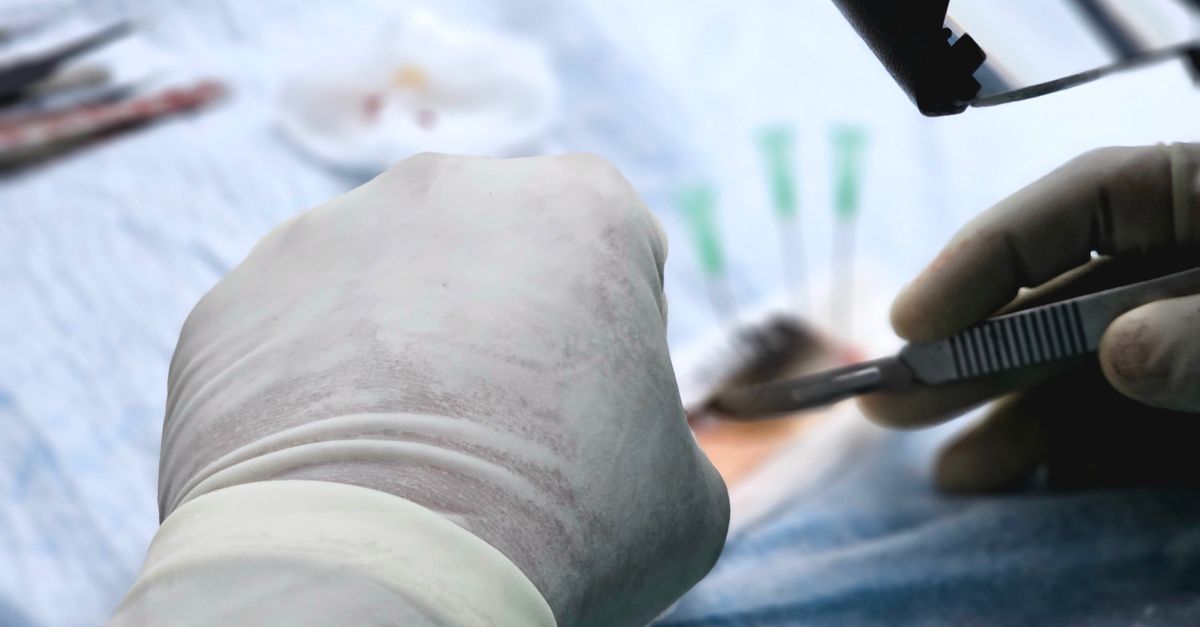
The wait is biological, not bureaucratic. Follicular unit extraction leaves thousands of tiny punch sites in the donor. The surface usually closes in 7 to 14 days. Deeper remodeling — blood supply, neighboring follicles, the tissue a second harvest has to travel through — takes months. The International Society of Hair Restoration Surgery ties graft survival to careful harvesting and healthy donor tissue. Rushing back in works against both.
Clock | Typical wait | What it actually tells you |
|---|---|---|
Donor surface closed | 7 to 14 days | Scabs gone — not harvest-ready |
Donor safe to harvest again | 4 to 6 months | Vascular recovery; some staged plans start here |
First result readable | 9 to 12 months | Shock loss settled; new hair coming in |
Full maturity, especially crown | 12 to 18 months | A fair density call, not a guess |
Four months is the early floor some planned two-stage harvests use — hairline first, crown later — after the surgeon mapped donor capacity on day one. Twelve months is when most surgeons will harvest again and judge density. That second clock is the one patients skip, because month-six photos still look thin even when the grafts are doing exactly what they should. Early thinness is often just shock loss that grows back.
Doctours does not guess this from a WhatsApp photo at week twelve. Twelve months of online follow-ups come included on packages at Heva Clinic, MetropolMED, Vialife, BlueMagic Group, Elithair, Dr. Hakan Clinic, and Art Line. Dr. Serkan Aygin Clinic includes 36 months. The calendar is written into the package, not left as a promise you have to chase.

Can You Book a Second Session at Six Months?
Sometimes. As a planned second harvest, not as a reaction to a photo that still looks sparse. If your surgeon staged the work on purpose — hairline now, crown later — and your donor was measured in person, six months can be enough for the tissue to tolerate another pass. That is a medical plan. It is not the same as rebooking because month-six density feels disappointing.
And honestly? A lot of early second dates are sales, not science. The quiet thought is if they can do it at six months, waiting must be leaving money on the table. It isn't. A transplant redistributes a finite lifetime supply of roughly 5,000 to 8,000 grafts. Spend them on a zone that is still shedding and you are paying to fill a picture that was going to fill itself. We walk through when a follow-up is actually worth it in when a second session is worth booking again — density, new loss, or repair are different jobs, and they do not share a calendar.
There's a second reason to wait that has nothing to do with the donor: your native hair has to be stable. If recession is still moving, a six-month session chases a target that will keep walking. Medication first, then grafts. Book too early and you are not adding coverage. You are spending hair you'll wish you still had.
Why the Gap Protects Graft Survival
A second harvest through tissue that has not finished remodeling raises the chance of transecting follicles on the way out and of placing grafts into a recipient that is still settling. Yield drops. The donor can look permanently thinner. That is the failure mode behind why donor capacity caps your lifetime grafts — there is no refill. Beard or body hair can fill a gap later, but that is a specialist's call, not a default for an impatient calendar.
Which brings us to the next question: should you even split the work? Some cases belong in one sitting. Through Doctours, Heva Clinic VIP caps at 4,000 grafts for $6,000, and Dr. Hakan Clinic publishes 3,500-graft and 5,000-graft standard packages at $4,500 and $5,000. When the total plan clears about 4,500 grafts, or the donor is thin, staged sessions usually win — the full case for that split is in when a 4,000-graft day makes sense.
Doctours prices every session as a flat all-in package in US dollars, not per graft, so there is no meter running that rewards a premature return. A follow-up is quoted like the first trip:
Package | Clinic | All-in price | Deposit |
|---|---|---|---|
Standard | Esthetic Hair Turkey | $2,500 | $400 |
Silver | Heva Clinic | $3,000 | $400 |
Standard (2,000-graft cap) | Elithair | $3,799 | $500 |
VIP (4,000-graft cap) | Heva Clinic | $6,000 | $400 |
Standard | American Mane (US) | $7,000 | $1,000 |
Art Line in Tijuana and Mexico City starts at $2,500 with a $375 deposit. The full menu — hotel nights, transfers, aftercare kits — sits on the Doctours pricing page before you commit. No guesswork. Payment plans go up to 36 months for eligible US and Canada patients, so a second trip does not have to wait on a lump sum you have not saved yet.

How Doctours Times the Wait With You
The CDC's medical tourism guidance names pre-arranged follow-up as one of the strongest predictors of a safe outcome abroad. That is the unglamorous part of the gap: someone has to look at your scalp at month three, six, nine, and twelve and say whether you are looking at normal growth or a real shortfall. Doctours keeps a US-based care team on that calendar for 12 months, with scheduled photo check-ins so you are not decoding redness on Istanbul hours. The full shape of that year is in our US-based aftercare.
Before you go, a coordinator maps donor capacity with the same surgeons who will have to live with a second session later — Heva, MetropolMED, Vialife, BlueMagic, and Elithair all hold the International Health Tourism Authorization Certificate from Turkey's Ministry of Health, and every one of the 15 partners was visited in person. More clinics have been turned away than accepted.
After you're home, the same team reads your photos against the clocks above, not against a sales quota. Across those clinics Doctours publishes 448 verified reviews averaging from 3.6 to 5.0 stars, low scores left visible on purpose. If a second session is the right move, it is quoted like the first: flat rate, deposit from $300, financing up to 36 months. If it is not, you hear that while you still have grafts in the bank.
The Bottom Line
The real wait is two clocks, not one — that is how long between hair transplant sessions actually works. Donor tissue is often ready at 4 to 12 months. The first result is usually ready to judge at 9 to 12, and the crown can take 18. Treat those as medical facts, not as a delay you have to negotiate past. Grafts you spend too early are grafts you do not get back.
You already did the hard part — you decided this was your turn. You do not need a clinic that books the sequel before the first chapter has finished growing in. You need a US-based team that mapped your donor on day one, priced the next session in writing at $2,500 to $7,000, and stays on the line for a year so the date is yours to choose. That is what the 15 vetted Doctours clinics are built to be.
Whether you book a follow-up at month ten or find out you never needed one, you deserve that answer straight — and the room to take it on your own terms.
Wondering whether your donor and your first result are ready for another session? A free Doctours assessment matches you with surgeons who time the gap honestly — no pressure, no commitment.

FAQs
How long should you wait between FUE sessions?
Most surgeons wait 4 to 12 months before harvesting the same donor again, and 9 to 12 months before judging whether the first result needs more density. Four months is an early floor for some planned two-stage harvests; twelve months is when both the tissue and the result are usually ready to evaluate.
Can you get a second hair transplant after 4 months?
Only in a planned staged harvest, after the surgeon mapped donor capacity in person and the goal is a new zone — not more density in the first one. Density in the original area is often still growing in at month four, so a return that early is usually spending grafts on a picture that has not finished appearing.
Is 6 months enough to wait between hair transplants?
Six months can be enough for donor tissue to tolerate another pass in a staged plan. It is rarely enough to judge density in the first transplanted zone, because shock loss can still be resolving and new hair is only starting to show. Doctours uses 12 months of US-based aftercare to tell those two situations apart.
Does waiting longer between sessions improve graft survival?
Waiting until the donor has remodeled — typically several months, often closer to a year — protects yield on the second harvest. Rushing through tissue that is still healing raises transection risk and can thin the donor permanently. The International Society of Hair Restoration Surgery ties graft survival to healthy donor tissue and careful harvesting.
Who decides when you are ready for a second hair transplant?
A licensed surgeon who can see your donor density and your matured first result, not a booking calendar. Through Doctours, a US-based care team reads photo check-ins for 12 months — 36 months at Dr. Serkan Aygin Clinic — and quotes a follow-up only if the donor can spare it.