



Overview
Hair transplant abroad risks that CDC and ISHRS actually name are hair mills, infection, and follow-up gaps — and Doctours maps each one onto the in-person checks every partner clinic has to pass.
The CDC's medical tourism page tells you to verify the facility, the physician, and who will treat you at home before you fly; the ISHRS adds that a licensed surgeon — not unsupervised technicians — should lead the surgical steps.
Doctours runs those checks across 15 partner clinics in Turkey, Mexico, Poland, and the US, with named surgeons, all-in packages from $2,500 to $7,000, and deposits from $300.
Istanbul partners such as Heva Clinic, MetropolMED, Vialife Clinic, BlueMagic Group Clinic, and Elithair hold International Health Tourism Authorization from Turkey's Ministry of Health, then still get a sterilization and surgeon-involvement audit on the floor.
Follow-up is written into the booking: 12 months with a US-based care team reachable 24/7, payment plans up to 36 months, and 450 verified patient reviews across the hair network.
Hair transplant abroad risks include hair mills, unsupervised technicians, infection, and follow-up gaps once you fly home, and the CDC and ISHRS tell you to verify the surgeon, the facility license, and who handles aftercare before you send a deposit. Doctours maps those official checks onto 15 in-person-vetted partner clinics, with all-in packages from $2,500 to $7,000, deposits from $300, and 12 months of US-based aftercare.
You've already seen the before-and-afters. You've already screenshotted a price that undercuts a US consult by ten thousand dollars. The thing still sitting in the way isn't the math. It's the quieter question that shows up after midnight: if something goes wrong in another country, who is actually on the hook — and did I miss a warning that was already published?
Fair question. And honestly? The CDC and the International Society of Hair Restoration Surgery already answered it. They just didn't write it for someone booking from a kitchen table in Ohio. So let's decode the official guidance in plain language, then show the checks Doctours already runs so you don't have to become a regulator on your lunch break.
What Does Official Guidance Actually Warn You About?
The CDC's medical tourism page is blunt: care abroad can be excellent, and it can also go wrong in ways a US patient is not used to planning for. Confirm the facility is licensed. Confirm the person operating on you is a qualified physician. Plan follow-up care at home before you fly, because complications often show up after you land. Factor in long-haul travel, including blood-clot risk. Assume language, records, and legal recourse will be harder than they are at a clinic down the street. The CDC's medical tourism guidance is the source. None of it is a sales pitch.
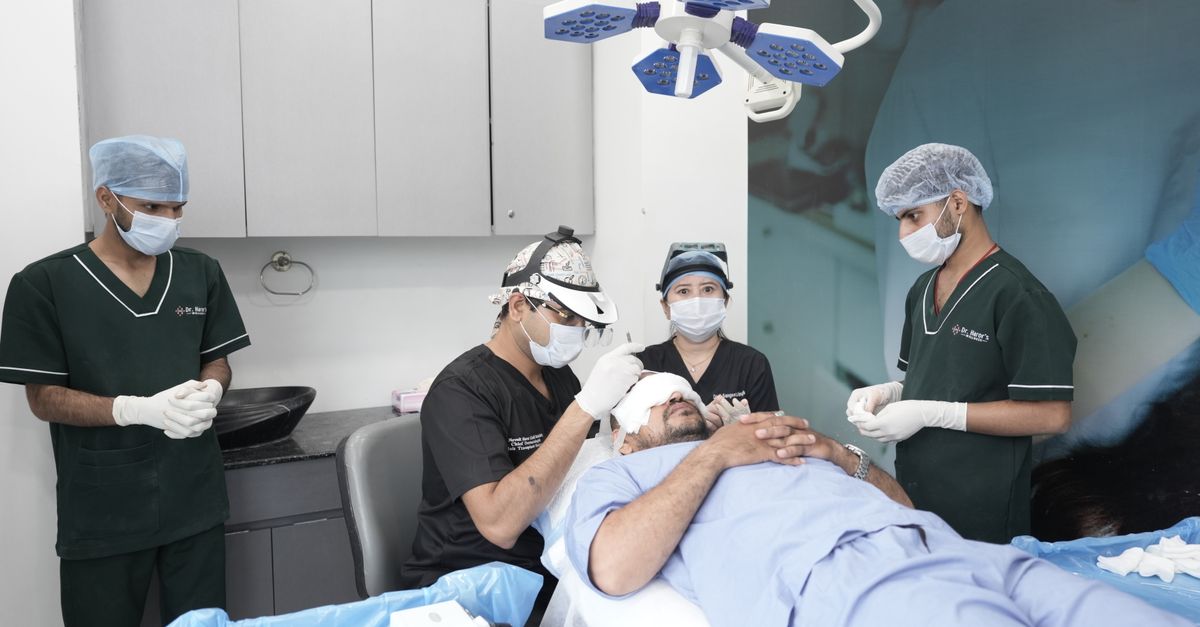
The ISHRS is more specific to hair. Their patient guidance treats a named, licensed surgeon who performs the critical surgical steps — diagnosis, hairline design, incisions — as the safety line, not a luxury. Hair mills, in that framing, are high-volume rooms where a famous name is on the website and unsupervised technicians run the case. Doctours only lists clinics where that surgeon is named, license-checked, and confirmed in person. Partners such as MetropolMED, led by surgeon Cemal Karayazi from $2,800, and Dr. Serkan Aygin Clinic at $4,000, are built that way on purpose.
How Do Hair Mills Show Up When You're Booking From Home?
A hair mill rarely introduces itself. It looks like a polished site, a wall of five-star reviews, and a price that feels like a glitch. The tell is what you cannot get in writing: the operating surgeon's full name and license, how many cases they personally lead in a day, and who designs your hairline if that surgeon is "in surgery" when you arrive. If they won't name the hands, you already have the answer.
Here's the thing: technicians placing grafts under a surgeon's eye is normal. Technicians diagnosing you, drawing the hairline, and making incisions with no physician in the room is the risk the International Society of Hair Restoration Surgery keeps publishing warnings about. Doctours treats that as a hard fail in the 30-point in-person audit, which is why the surgeon-led versus hair mill distinction is not a slogan — it's the first filter. Browse the vetted clinic list and you'll see named medical leads, not "our expert team."

What Infection and Follow-Up Gaps Should You Plan For?
Infection is the risk people name first. Follow-up is the one they forget until week three at home. The CDC flags both. Antimicrobial-resistant organisms are more common in some destinations. A long flight after surgery raises clot risk. And the complication that needs a look often appears after you've already cleared passport control. Put simply, the procedure is one day. The year around it is where most trips succeed or fail.
Doctours treats infection control as something you verify on the floor, not on a logo wall. Istanbul partners including Heva Clinic and MetropolMED hold the International Health Tourism Authorization from the Republic of Turkey Ministry of Health — a license tied to facility inspection — plus TÜRSAB on the travel-agency side. Vialife Clinic, BlueMagic Group Clinic, and Elithair hold the same Ministry authorization. The audit still walks autoclave logs and theatre protocol, the same checks in our infection-risk clinic guide. Follow-up is written into the booking: 12 months with a US-based care team reachable 24/7, so who do I call at 2 a.m. in Cleveland? has an answer before you pack.
Here is the official list, decoded into the checks a partner has to pass:
Official warning | What it means in practice | What Doctours verifies |
|---|---|---|
Unlicensed or unknown facility (CDC) | A website is not a license | Ministry of Health IHTA in Turkey; in-person facility audit |
Non-physician performing surgery (ISHRS) | Hair mill model — famous name, unsupervised hands | Named surgeon, license check, confirmed in the room |
Infection and poor sterilization (CDC) | Tools and theatre you never see from home | Sterilization logs plus the facility license |
Follow-up after you fly home (CDC) | Complications often show up in weeks 2–12 | 12 months of US-based aftercare, 24/7 care team |
Travel and clot risk (CDC) | Long-haul flight after a procedure | Coordinated transfers; hotel nights on most Istanbul packages |
Language, records, legal recourse (CDC) | Harder to escalate in a second language | USD contract and a US-based coordinator on the booking |
That mapping is the whole product. CDC and ISHRS tell you what to ask. Doctours is the US-based facilitator that already asked — across 15 clinics in Turkey, Mexico, Poland, and the US, with 450 verified patient reviews and published USD pricing on the pricing page.

How Does Doctours Turn That Guidance Into a Booking You Can Trust?
Guidance only helps if someone runs the checks. Doctours visits every partner in person and keeps a US office on the other end of the phone. Surgeon licenses are confirmed with the national authority. Facility stamps — IHTA, TÜRSAB, COFEPRIS where they apply — are looked up at the source, not copied from a homepage badge. The process is the one in how Doctours vets clinics. You are not asked to become fluent in three regulators.
The commercial side is part of safety too. Packages are billed in USD: Vialife Clinic from $2,500, MetropolMED from $2,800, Heva Clinic from $3,000, Dr. Hakan Clinic from $4,500, Esthetic Hair Miami at $7,000. Deposits start at $300. Payment plans run up to 36 months. Hotel nights and airport transfers sit on most Istanbul quotes — three nights at Dr. Serkan Aygin Clinic and Esthetic Hair Turkey, for example — so the first 48 hours after surgery are not a scavenger hunt. Which brings us to the next question: do you still have to decide? Yes. You just don't have to audit the clinic yourself.
The Bottom Line
The risks of going abroad for this procedure are real: hair mills, infection, and the follow-up vacuum after you fly home. The CDC and ISHRS already named them. They are not a reason to talk yourself out of care you want. They are a reason to insist the clinic in front of you has already been checked against that list.
You've spent enough late nights trying to decode badges. Doctours takes the official guidance and turns it into a short list of partners — 15 clinics, named surgeons, all-in USD pricing from $2,500 to $7,000, and a US care team for the year that follows. You get to choose yourself. The rest is already handled.
Want the official checks run before you put down a deposit? A free assessment matches you with vetted clinics and a care team that has already asked — no pressure, no commitment.

FAQs
How do I avoid hair transplant hair mills when going abroad?
Ask for the operating surgeon's full name and license, confirm that surgeon designs the hairline and makes the incisions, and walk away if the clinic will only say "our expert team." Doctours treats unsupervised technician-run surgery as a hard fail and only lists 15 in-person-vetted, surgeon-led partners.
What aftercare and follow-up support do you get after a hair transplant abroad?
Through Doctours you get 12 months of US-based aftercare with a care team reachable 24/7 by call, text, or video, so questions after you fly home are not left to a clinic WhatsApp thread. That follow-up is written into the booking before you travel, which is the gap the CDC tells medical tourists to close first.
What does the CDC say about medical tourism follow-up care?
The CDC tells patients to arrange follow-up with a qualified provider at home before they travel, because complications from care abroad often appear after you return. Doctours builds that plan into every package instead of leaving you to find a local doctor after the fact.
How does the ISHRS say to choose a surgeon for a hair transplant abroad?
The ISHRS tells patients to choose a licensed physician who performs the critical surgical steps — diagnosis, hairline design, and incisions — rather than a high-volume clinic that markets a famous name while technicians run the case. Doctours verifies that named surgeon in person before a clinic is listed.
Are hair transplant infection risks higher abroad?
Infection risk tracks the clinic's sterilization and licensing, not the country on the ticket. The CDC flags unregulated facilities and follow-up gaps as the usual failure modes; Doctours audits autoclave logs and Ministry licenses at partners such as Heva Clinic and MetropolMED before anyone is referred.