




Overview
Itching after a hair transplant is normal, usually peaks in weeks 2 to 4 as scabs shed and new hairs push through the follicles, and fades on its own — it is a sign of healing skin, not a failed procedure.
The symptoms that mean call a nurse instead of scratching it out — spreading or hot redness, pus or a foul odor, a fever, or a spreading cluster of painful pimples — are a different category from ordinary itch, and infection stays well under 1 percent at credentialed clinics per the ISHRS.
Scratching is the one habit that actually threatens your result, so surgeons steer you toward soothing moves instead — a saline spray or prescribed moisturizer, gentle washing, and, only when approved, an over-the-counter antihistamine.
Through Doctours, partner clinics from $2,200 in Turkey through $7,000 at US-based partners send you home with an aftercare kit and a post-op routine that covers the itchy weeks, not just the first few days.
A US-based Doctours care team is reachable 24/7 by call, text, or video chat, so someone who knows your case tells you whether a week-3 itch is textbook or worth a same-day check.
Itching after a hair transplant is normal, usually peaks somewhere in weeks 2 to 4, and fades on its own as the scalp finishes healing. The itch has a simple cause: as the tiny wounds close, scabs form and shed, the skin dries out as it repairs, and new hairs start pushing up through the follicles — and your body reads all of that as a reason to itch. It shows up in the recipient area on top, the donor area at the back, or both, and it is a sign your skin is doing exactly what it should. What actually deserves a call is different: itching paired with spreading redness, pus or a foul smell, a fever, or a spreading cluster of painful pimples. Through Doctours, you never have to guess which is which — partner clinics from $2,200 in Turkey through $7,000 at US-based partners send you home with an aftercare kit and a post-op routine that covers the itchy weeks, and a US-based care team is reachable 24/7 to tell you whether the itch you're feeling is textbook or worth a same-day check.
Here's where most people are when they read this. It's the middle of week two or three. The surgery went fine, the scabs are gone or going, and you're back home — and then the itch arrives. Not a gentle tickle. A deep, maddening, I would give anything to scratch this right now kind of itch, landing right where you're least allowed to touch. And the worry creeps in with it: is this normal, or is something wrong up there?
Fair question — and one almost everyone asks around this point. Itching is one of the most predictable parts of recovery and also one of the most frustrating, because it lands in the exact window where scratching can still do damage. So let's take the fear out of it: what causes the itch, when it peaks and fades, exactly which symptoms are normal, how to soothe it safely, and the short list that means stop scratching and make a call.
Is Itching After a Hair Transplant Normal?
Yes — mild to moderate itching is one of the most common and expected parts of healing. Doctors call it pruritus, and after a transplant it comes from several things happening at once: the small incisions closing, scabs forming and then flaking away, the skin drying as it repairs, and the transplanted hairs beginning to grow through the surface. Each of those triggers a normal histamine response, which your nerves register as an itch. The StatPearls hair transplantation review lists post-operative itching among the routine, self-limiting effects of the procedure — annoying, sometimes intense, but temporary. Itching in the donor area at the back is just as normal as itching on top, since both sites are healing at once. Put simply: an itchy scalp is a sign of skin knitting back together, not a sign that anything went wrong.
When Does Itching Peak and When Does It Fade?
The timeline is fairly consistent. The itch is usually minimal in the first week, when the scalp still feels tight and the scabs are fresh. It builds through week two as those scabs loosen and shed, peaks somewhere in weeks 2 to 4 as new hairs push through the follicles, and then eases steadily as the skin settles. For most people the worst of it is over within a month or so. Here's the pattern most patients follow:
Timeframe | What itching usually feels like |
|---|---|
Days 0-7 | Minimal; scalp feels tight and the scabs are still fresh |
Week 2 | Builds as scabs loosen and start to flake away |
Weeks 2-4 | Peaks; new hairs push through and the skin dries as it heals |
Weeks 5-8 | Eases steadily; occasional dryness itch that soothes easily |
A few grounded facts to anchor the timeline: itching after a hair transplant usually peaks in weeks 2 to 4; it comes from scabbing, dryness, and regrowing hairs; and it fades on its own as the scalp heals. If yours is building around week two and easing by week five or six, you're on the normal path. The itch overlaps two milestones we cover in detail — the scabs falling off between day 7 and day 14 and the redness that lingers for a few weeks — and our full 30-day aftercare instructions map where the itchy window sits in the whole first month.
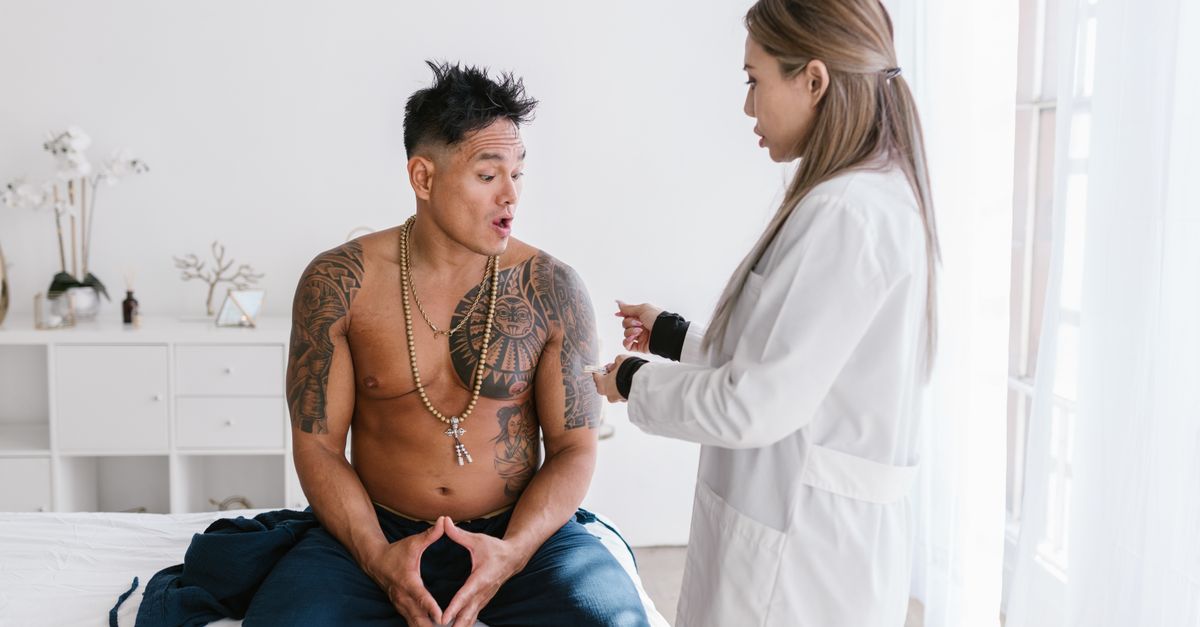
When Is Itching Normal — and When Should You Call a Nurse?
This is the whole point of the article, so here it is in one clear view. Ordinary post-transplant itching is mild to moderate, spread across the areas where the surgeon worked, and easing week over week. The symptoms that warrant a call are a different category — they point to a possible infection or an inflamed-follicle reaction, not routine healing. Doctours flags these red-flag symptoms for every patient before they fly, so the decision is never a guess made alone at 2 a.m.
Usually normal — soothe at home | Call your care team or clinic |
|---|---|
Mild to moderate itch peaking in weeks 2-4 | Redness that spreads or feels hot |
Itch as scabs loosen and flake off | Pus, oozing, or a foul odor from any site |
Tight, dry, tingly feeling as skin heals | Fever or chills |
Itching in both the donor and recipient areas | A spreading cluster of painful pimples (folliculitis) |
Itch easing by week 5-8 | Severe, unrelenting itch, or pain that climbs instead of eases |
Two facts worth remembering: infection after a hair transplant is rare, affecting well under 1 percent of patients at credentialed clinics per the International Society of Hair Restoration Surgery; and the danger sign is almost never the itch itself — it's itch paired with heat, pus, fever, or a spreading rash of pimples. A few small whiteheads can be normal as hairs break through, but a spreading, painful cluster is worth a message. When in doubt, the right move is always to ask, not to scratch it out.
Why Recovering Abroad Changes the Itching Question
Here's the honest part. When you have surgery down the street, asking about a maddening itch feels easy. When you're back home in the US — weeks past surgery, an ocean away from the surgeon who did the work — that same question can feel impossible. Who do I even ask? Is an itch worth emailing a clinic in another time zone? That gap is exactly what the US Centers for Disease Control and Prevention's medical-tourism guidance flags as the thing to solve before you travel: a clear, reachable plan for aftercare and follow-up, not one you improvise at the bathroom sink.
Doctours closes that gap on purpose. Doctours pairs every patient with a US-based care team you can reach 24/7 by call, text, or video chat — in your own language, in your own time zone. So when a week-three itch has you white-knuckling to keep your hands down, you don't scroll a forum at midnight. You message someone who knows your case, who can look at a photo and tell you in plain terms whether it's textbook or worth a same-day check. That's the difference between recovering alone and recovering supported — and it's covered in more depth in our look at US-based aftercare after surgery abroad.

How Do You Relieve Itching After a Hair Transplant?
You can't skip the itch entirely — but a handful of simple habits keep it bearable without putting your grafts at risk. The rule underneath all of them: soothe, never scratch. Scratching is the one move that can genuinely dislodge a graft in the early weeks, or break the skin and invite infection. Here's the routine most surgeons recommend:
Keep the scalp moisturized. A lot of the itch is simple dryness. Many clinics send you home with a saline spray or a prescribed lotion — used on schedule, it keeps the skin supple and calms the itch without any rubbing.
Ask about an oral antihistamine. Surgeons often okay an over-the-counter antihistamine to quiet the histamine response that drives itching. Take it only when your clinic approves it and exactly as directed.
Wash gently and on schedule. Your regular post-op washes lift away the flaking scabs and dead skin that make the itch worse. Our day-3 first wash protocol walks through the gentle technique.
Use a cool compress — never ice directly on the grafts. A cool, damp cloth held near the itchy area can take the edge off. Keep it off the recipient area while the grafts are still settling.
Tap, don't scratch. If you have to do something, lightly tap or pat the skin around the itch with a flat palm rather than dragging your nails across it.
Skip the sweat, sun, and hot showers. Heat and sweat make the itch worse and irritate healing skin, so ease back into exercise on your surgeon's timeline, not before.
A few triples to keep straight: a saline spray or moisturizer calms an itchy scalp after a hair transplant; an approved antihistamine quiets the histamine response; and scratching risks dislodging grafts, so patting always beats clawing. None of it is dramatic. It's small, boring, and it works.
What Does Doctours Do to Help You Through the Itch?
The support is built into the package, not bolted on after. Across the Doctours network — vetted partner clinics in Turkey, Mexico, Poland, and the US — an aftercare kit with a soothing spray or lotion is included at clinics like Heva Clinic, MetropolMED, and Fizyoestet Hair, and a post-op medication course that can include something for the itch is part of the package at several partners. Online follow-ups are included across nearly every partner clinic, so a surgeon's team is checking in through the exact weeks the itch peaks — not just the first few days.
Wrapped around all of it is the US-based care team — reachable 24/7 by call, text, or video chat, ready to look at a photo of your scalp in week three and tell you whether that itch is textbook. That's what turns the is this normal? spiral into a two-minute answer. It comes with clinics you can compare on the vetted clinic list, all-in pricing from $2,200 in Turkey through $7,000 at US-based partners, deposits from $300, and payment plans up to 36 months in USD.
The Bottom Line
Itching after a hair transplant is one of the most normal things your body can do — it usually peaks in weeks 2 to 4 as scabs shed and new hairs push through, and it fades on its own as the skin heals. It feels more urgent than it is. The symptoms that actually deserve a call are the different ones: spreading or hot redness, pus or a foul smell, a fever, or a spreading cluster of painful pimples. Knowing that difference — and keeping your hands down while it passes — is most of the battle.
The rest is having someone to ask. Through Doctours, that's already in place — an aftercare kit and a soothing routine so the itch stays manageable, online follow-ups through the weeks it peaks, and a US-based care team on a 24/7 line for the exact moment the itch has you second-guessing. When the itch settles and the shedding phase passes, our read on shock loss and the month-by-month growth timeline shows what you're actually walking toward.
You already did the hard part. You chose yourself, you sat in the chair, you came home. A few weeks of itch is a small, temporary price for the thing you decided you deserved — and you don't have to grit your teeth through it alone. You've earned an easy recovery, and this is the plan that gives you one.
Fighting the urge to scratch on your own after surgery abroad? A free assessment matches you with vetted clinics, all-in USD pricing, and a US-based care team that tells you what's normal and what's not — no pressure, no commitment.

FAQs
Is itching after a hair transplant normal?
Yes. Mild to moderate itching is one of the most common and expected parts of healing, caused by scabs forming and shedding, the skin drying as it repairs, and new hairs pushing through the follicles. It can affect the donor area, the recipient area, or both, and usually peaks in weeks 2 to 4 before fading on its own.
When does itching peak after a hair transplant?
Itching is usually minimal in the first week, builds during week two as the scabs loosen, and peaks somewhere in weeks 2 to 4 as new hairs grow through the skin. For most people it eases steadily after that and settles by around week five to eight.
How do I stop my head from itching after a hair transplant?
Keep the scalp moisturized with a saline spray or prescribed lotion, wash gently on your clinic's schedule, and ask your surgeon whether an over-the-counter antihistamine is okay. Never scratch — pat the skin around the itch instead, since scratching can dislodge grafts in the early weeks or break the skin and invite infection.
Can scratching ruin a hair transplant?
Yes, in the early weeks. Scratching can dislodge grafts before they have anchored and can break the healing skin, which raises the risk of infection. That is why surgeons recommend soothing the itch with moisturizer, an approved antihistamine, and gentle washing, and patting the area rather than using your nails.
When should I worry about itching after a hair transplant?
Call your care team or clinic if the itch comes with spreading or hot redness, pus or a foul odor, a fever, or a spreading cluster of painful pimples — these can signal infection or folliculitis rather than normal healing. A severe, unrelenting itch or pain that climbs instead of easing is also worth a same-day check.