


Overview
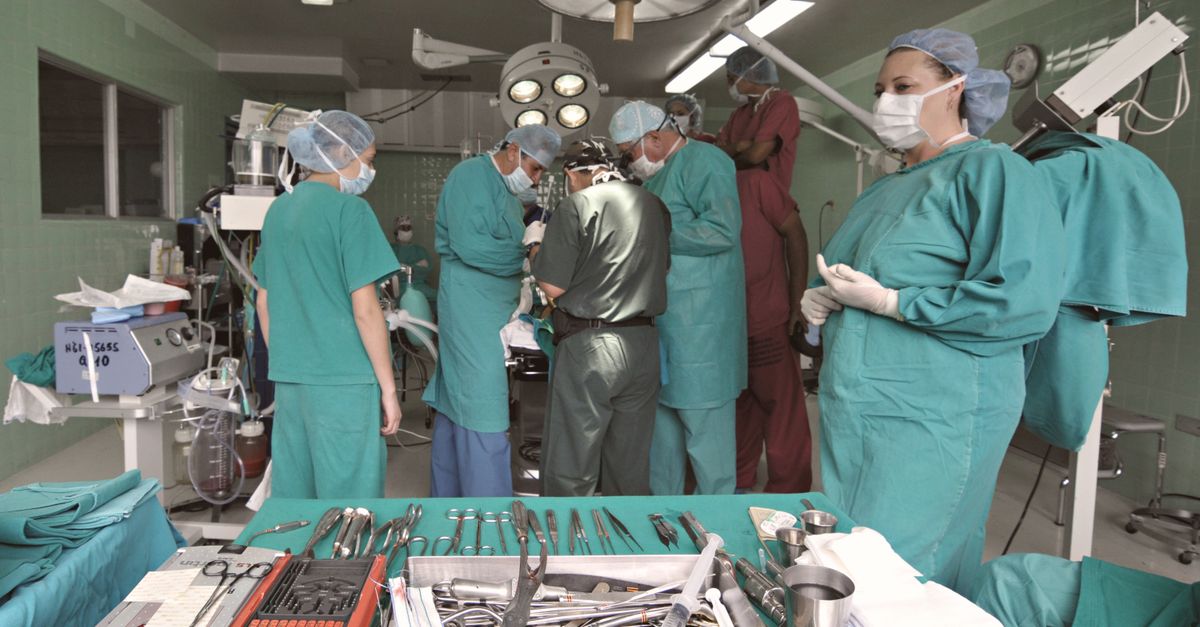
The WHO Surgical Safety Checklist is a 19-item list a surgical team runs out loud at three points during an operation, and Doctours confirms every partner clinic uses one before we book a single traveler for surgery.
In the landmark eight-hospital study that launched it, the checklist was linked to major inpatient complications falling from 11% to 7% and deaths dropping from 1.5% to 0.8%.
The checklist has three pause points: Sign In before anesthesia, Time Out before the first incision, and Sign Out before you leave the operating room.
Across 15 vetted partner clinics from $2,200 in Turkey to $7,000 at US-based partners, Doctours visits each one in person and asks how the surgical team runs its safety pause.
A US-based Doctours care team is reachable 24/7 by call, text, or video chat if anything feels off in the days before or after your procedure.
The WHO Surgical Safety Checklist is a 19-item safety list that a surgical team runs out loud at three points during an operation, and in the landmark study that launched it, hospitals using it saw major inpatient complications fall from 11% to 7% and deaths drop from 1.5% to 0.8%. Before Doctours books a single traveler, we confirm the partner clinic and its surgical team actually use a checklist like it — because a safety habit only protects you if the room you're in that day follows it. Across 15 vetted partner clinics, with all-in pricing from $2,200 in Turkey through $7,000 at US-based partners, we visit each one in person and ask how the team runs its pre-surgery pause.
If you've gotten far enough to price out a clinic abroad, you already know the procedure itself is routine. What keeps the tab open at midnight is smaller and harder to name: how do I know the team in that room is going to do the boring safety stuff right when I'm not there to check?
Fair question — maybe the fairest one there is. You can't stand in the operating room, and you can't read a foreign clinic's internal protocols off a Google review. So let's talk about the one habit that's become the global shorthand for "this team takes the basics seriously" — the WHO Surgical Safety Checklist — what it actually checks, whether clinics abroad really use it, and how we confirm it before you ever put down a deposit.
What Is the WHO Surgical Safety Checklist?
The World Health Organization introduced the Surgical Safety Checklist in 2009 as part of its Safe Surgery Saves Lives program. Put simply, it's a short spoken list the whole team runs together — surgeon, anesthesia provider, and nurses — to catch the small, preventable mistakes that cause the biggest harm. The checklist covers 19 items across three pause points. It confirms the right patient, the right procedure, and the right site; it flags allergies, airway risk, and expected blood loss; and it checks that antibiotics were given and that every instrument and sponge is accounted for before anyone closes up. You can read the WHO's own safe-surgery resources for the full list. None of it is high-tech — and that's the point. Most surgical harm comes from steps that got skipped, not from exotic complications.
Does the Checklist Actually Reduce Complications?
Yes — and the evidence is unusually strong for something this simple. In a 2009 study published in the New England Journal of Medicine, researchers tracked nearly 8,000 patients across eight hospitals on four continents before and after the checklist was introduced. The rate of major inpatient complications fell from 11% to 7%, and the death rate dropped from 1.5% to 0.8% — close to a halving. You can read the published study on PubMed. Later reviews found the size of the benefit depends on whether teams use the checklist fully or just tick boxes, which is exactly why we care less about whether a clinic owns a checklist and more about whether the surgical team runs it every single time. A checklist taped to the wall does nothing. A team that pauses and speaks it out loud is what moves the numbers.
Will a Clinic Abroad Actually Use the Checklist?
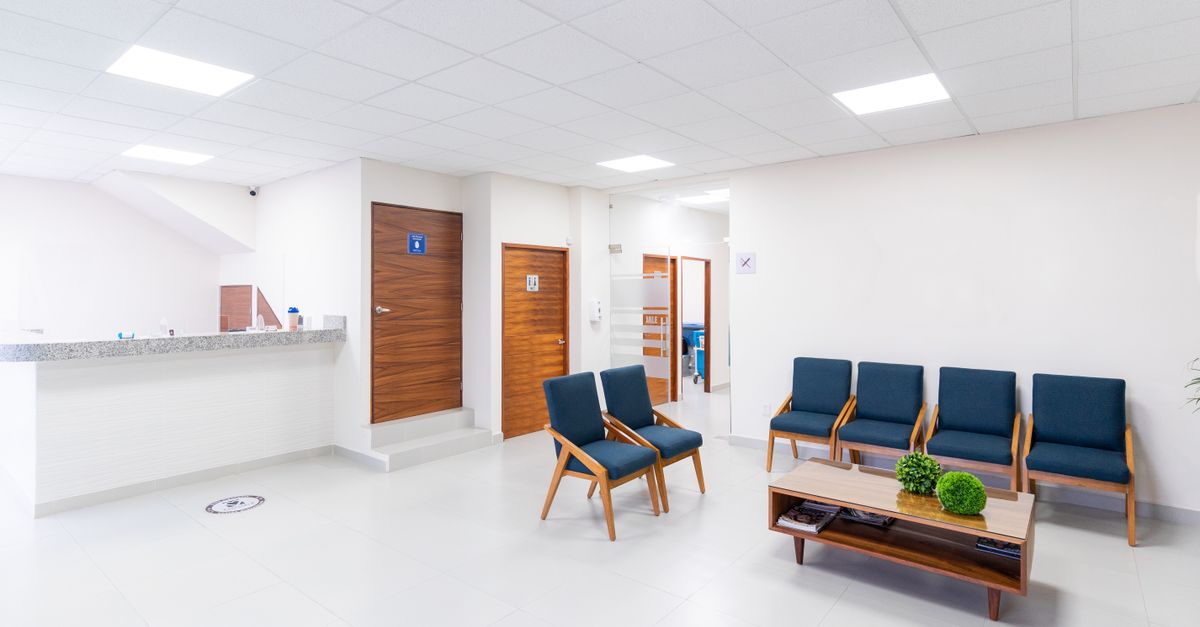
Here's the honest answer: some do it religiously, some run a rushed version, and a few skip it when they're moving fast — and that's true of clinics down the street as much as clinics overseas. The checklist isn't a law anywhere; it's a standard that good teams adopt because it works. What matters for you is proof, not a logo on a website. Many reputable clinics abroad also hold formal accreditation — the Turkish partners we work with carry International Health Tourism Authorization from the Republic of Turkey Ministry of Health — but a certificate on the wall and a team that pauses before the first incision are two different things. We treat the checklist as one line in a much larger safety picture that also includes who's running your anesthesia and how the clinic controls infection risk.
What's on the Checklist Your Team Should Run?
You don't need to memorize all 19 items, but knowing the three pause points helps you ask a sharper question at your consultation. Here's the shape of it:
Phase | When it happens | What the team confirms |
|---|---|---|
Sign In | Before anesthesia | Patient identity, procedure and site, known allergies, airway and breathing risk |
Time Out | Before the first incision | Everyone introduced by name and role, antibiotics given, expected blood loss and critical steps reviewed |
Sign Out | Before you leave the room | Instrument and sponge counts, specimen labeling, any equipment problems flagged |
For a hair transplant, the stakes look different than open surgery — but the discipline still matters: confirming your identity and graft plan, checking allergies before the local anesthetic, and counting supplies all belong in the same habit. If a clinic can walk you through how its team pauses at these points, that's a strong signal. Our 30-point clinic quality checklist folds the surgical pause in with sterilization, credentials, and aftercare so nothing gets judged in isolation.

How Does Doctours Confirm Your Clinic Uses It?
This is the part we don't leave to a form. Every clinic in the Doctours network has been personally visited and inspected by a Doctours employee — not vetted from a spreadsheet — and how the surgical team runs its safety pause is part of what we look at, alongside credentials, sterilization, and anesthesia protocols. At partner clinics like Heva Clinic and Dr. Serkan Aygin Clinic, that review happens before the clinic ever reaches your shortlist, and we re-check partners over time rather than vet once and forget. Settling questions like this up front — instead of improvising once you've landed — is exactly what the CDC's medical-tourism guidance tells patients to do, and what our full clinic review process is built around.
Wrapped around all of it is the US-based care team — reachable 24/7 by call, text, or video chat — so if something feels off in the day or two before surgery, you have someone to ask who already knows your case. It comes with clinics you can compare on the vetted clinic list, all-in pricing from $2,200 in Turkey through $7,000 at US-based partners, deposits from $300, and payment plans up to 36 months in USD. The checklist is one question. We handle the other hundred so you can focus on the decision that's actually yours.
The Bottom Line
The WHO Surgical Safety Checklist isn't a magic document — it's proof of a mindset. A team that pauses, says your name, confirms the plan, and counts every instrument is a team that treats your safety as the job, not an afterthought. That habit is worth more than any brochure claim, and it's a fair thing to ask about before you book — the same way you'd weigh what a clinic's accreditation really means.
You can't be in that room to check. So we go in your place — we stand in the clinic, ask how the team runs its pause, and only then put it in front of you.
You've already done the hard part: deciding you're worth the trip. Choosing a clinic that sweats the small, boring safety steps isn't paranoia — it's you, finally, refusing to settle for less than you'd expect at home. This time, it gets to be your turn.
Wondering whether a specific clinic runs the checklist? A free assessment pairs you with vetted clinics and a care team that has already asked — no pressure, no commitment.

FAQs
What is the WHO Surgical Safety Checklist?
The WHO Surgical Safety Checklist is a 19-item list that a surgical team runs out loud at three points during an operation — before anesthesia, before the first incision, and before the patient leaves the room. The World Health Organization introduced it in 2009 to catch preventable errors like wrong-site surgery, missed allergies, and uncounted instruments.
Does the WHO surgical safety checklist actually reduce complications?
Yes. In a 2009 study across eight hospitals, major inpatient complications fell from 11% to 7% and deaths dropped from 1.5% to 0.8% after the checklist was introduced. The benefit is largest when the team uses the checklist fully rather than just ticking boxes.
Do hair transplant clinics abroad use the WHO checklist?
Some run it thoroughly and some rush it, because the checklist is a voluntary standard rather than a legal requirement in most countries. Doctours confirms how each partner clinic's surgical team runs its safety pause during an in-person visit before the clinic goes on your shortlist.
How can I tell if a clinic actually follows a surgical safety checklist?
Ask the clinic to walk you through how its team confirms your identity, procedure, allergies, and instrument counts before and after surgery. A clinic that can describe its pause points clearly is a stronger signal than any certificate hanging on the wall.
How does Doctours check clinic safety before booking?
Every Doctours partner clinic is visited and inspected in person, with the surgical team's checklist habit reviewed alongside credentials, sterilization, and anesthesia protocols. A US-based care team then stays reachable 24/7 by call, text, or video chat before and after your procedure.