



Overview
A cash request at a clinic abroad is common, but cash should never be the only way to settle a $2,500 to $7,000 package.
Doctours bills US patients in dollars before they fly — deposits from $300, card and PayPal at checkout, and monthly plans up to 36 months — so the clinic is already paid when you walk in.
Cash-only balance collection leaves no chargeback, no US refund rail, and a thinner paper trail if the quote changes at the reception desk.
US Customs requires a FinCEN 105 declaration for more than $10,000 in cash crossing the border, and carrying even a few thousand dollars turns you into a courier on surgery morning.
If a clinic asks for cash on arrival after you booked a card or facilitator checkout, pause, get the ask in writing, and call your coordinator before you hand anything over.
A hair transplant cash payment request is common abroad, but cash should never be the only option. Doctours collects the $2,500–$7,000 package in USD before you fly — card, PayPal, or plans up to 36 months — so you never walk into a foreign clinic with the balance in your bag.
You already know the procedure can cost a fraction of a US quote. What stops a lot of people is not the surgery. It is the moment at reception. They want the rest in cash. Today. Before I sit down.
Fair question, and it is a fair feeling. Handing a stranger thousands of dollars in a language you do not speak, in a country you just landed in, is not a small ask. It is the part of medical travel nobody puts on the homepage.
Here's the thing: some clinics still prefer cash because it is simple for them. That does not make it simple for you. Through Doctours, the bill is settled in dollars on a US checkout before you board. You arrive as a patient who has already paid — not as a courier.
Why Do Hair Transplant Clinics Ask for Cash Abroad?
Clinics ask for cash because it is cheaper and cleaner on their side. A card terminal takes a merchant cut. An international wire can bounce, reverse, or land short after bank fees. Cash in the drawer has none of that friction. Doctours publishes the same package in USD on a US processor so that clinic-side preference never becomes your problem at the counter.
A cash discount on a Turkey or Mexico quote is usually the clinic avoiding 2% to 4% in card fees, not a gift. The number looks smaller. The protection disappears with it. Put simply, they are asking you to carry the risk that a card network would have carried for you.
That said, cash as one of several options is different from cash as the only option. A clinic that also takes a card or a facilitator transfer is running a business. A clinic that will not put the charge on any rail you can dispute is asking you to fund the trip with no reverse gear. The full comparison of cards, cash, and wires covers the fee math. This article is about the request itself — and when you should walk.
Is a Cash-Only Clinic a Red Flag?
Cash-only for the full balance is a red flag. Not because cash is illegal. Because it removes every tool you would use if the plan changes: a chargeback, a US refund, a paper trail that matches the quote you agreed to at home. Doctours only lists partner clinics that can be paid through Doctours in dollars, so cash-only is not how a Doctours booking settles.
Watch for the pattern, not a single sentence. A published USD package, then a WhatsApp note that "the rest is cash on the day." A cheaper quote if you skip the invoice. A receptionist who will not print an itemized receipt. Those are the same family of tells the medical tourism scam checklist flags before you send money anywhere.
And honestly? Plenty of reputable clinics still mention cash because older medical-travel habits die slowly. The question is whether they also accept a card, a US facilitator, or a documented transfer. If the answer is no, the discount is not a deal. It is the price of having no way back.

What Are the Real Risks of Paying a Clinic in Cash?
Paying a clinic in cash means the money is gone the second it leaves your hand. There is no card network, no PayPal claim, and no US facilitator to reverse the charge if the graft count, the hotel, or the surgeon changes after you land. Doctours holds your deposit in a US account and pays the clinic on its own schedule, which is why the escrow-style deposit exists in the first place.
The travel risk is separate and just as real. US Customs requires a FinCEN 105 declaration when you carry more than $10,000 in cash or monetary instruments across the border. Under that line, you are still walking through an airport with the cost of your procedure in a bag. Theft, a lost envelope, a counterfeit bill you cannot prove — none of that shows up on the clinic's Instagram.
That's the part people only picture after the flight is booked. The CDC's medical tourism guidance tells patients to settle payment terms before they travel. "Settle" does not mean "bring a stack of hundreds." It means the amount, the method, and the refund path are written down while you are still at home.
How Does Doctours Let You Pay Without Carrying Cash?
Doctours bills the full package in US dollars on a US checkout. Card via Stripe. PayPal. Klarna at 6, 12, or 36 months. PayPal Pay Later at 3, 6, 12, or 24 months. You pay a deposit at booking — $300 at Motion Clinic, $375 at Art Line Clinic in Mexico, $400 to $500 at most Turkey partners including Heva Clinic, and $1,000 at US clinics like American Mane — then the remaining balance in the same currency, on the same rail.
All-in published packages currently start at $2,500 for Standard at Art Line, Vialife Silver, and Esthetic Hair Turkey, and run to $7,000 at American Mane and Esthetic Hair Miami, with a $8,690 Diamond tier at BlueMagic Group Clinic. Hotel nights and airport transfers are included on most of those packages. You see the number on the Doctours pricing page before anything is charged.
Before you go. The deposit and balance clear in USD. Doctours pays the clinic. You do not convert lira or pesos in a hotel lobby.
While you're there. Reception already has you as a settled patient. No envelope. No terminal in a foreign currency. No "cash discount if you decide now."
After you're home. A refund, if one is owed, returns to the same US card or PayPal account. The conversation is with your care team, not a cashier five time zones away.
Which brings us to the next question. What if you already booked somewhere else, and the cash ask shows up anyway?
What Should You Do If a Clinic Asks for Cash on Arrival?
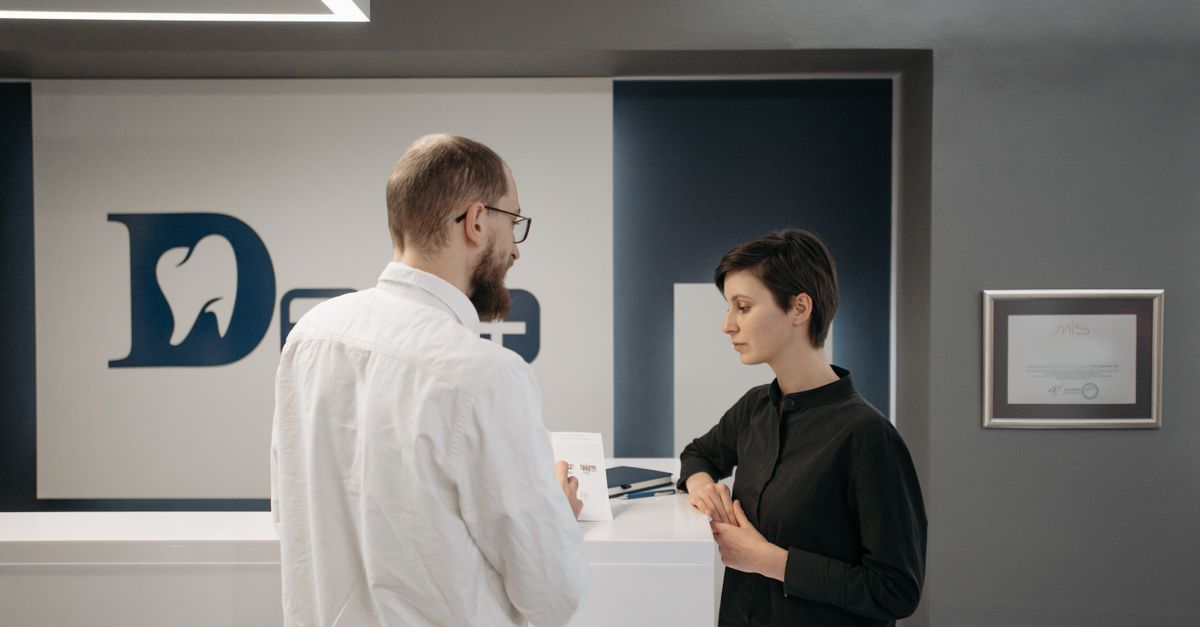
If a clinic asks for cash on arrival, pause. Do not hand over money to "hold the slot" while you think. Get the request in writing — amount, currency, and what it is supposedly for — and call your coordinator before anything leaves your wallet. Doctours patients should not be asked for a cash balance at all; if a partner desk improvises, your US team is the one who sorts it, not you at the counter.
Use this as a short field checklist:
Match the ask to the written quote. If the number is new, it is a new negotiation, not a formality.
Ask for an itemized invoice in your name, in the same currency as the original package.
Decline a cash discount that swaps a receipt for a handshake.
Do not pay "extra grafts" or add-ons in cash because someone is standing over you. Add-ons can wait until they are on a bill you can read.
If cash is the only method they will accept for a balance you already paid through a facilitator, stop and call home before the procedure starts.
Here is the cleaner side-by-side for a US patient looking at a $2,500 to $7,000 package in 2026:
Cash on arrival at the clinic | Doctours USD checkout | |
|---|---|---|
When you pay | At reception, often the morning of surgery | Before you fly, in dollars |
Typical amount | The remaining balance — often most of $2,500 to $7,000 | Deposit $300 to $1,000, then the published balance |
Refund path | None once cash changes hands | Back to the original US card or PayPal |
Customs and carry risk | You transport the money; declare over $10,000 | You do not carry the procedure cost as cash |
If the quote changes | You renegotiate in person, in a second language | Doctours coordinates against the published package |
The table is the argument. Cash is fast for the clinic. It is slow, heavy, and one-way for you. Spreading the same USD package over monthly payments is still a US-rail payment. It is not a loophole back into a cash envelope.
The Bottom Line
A clinic asking for cash abroad is common. A clinic that will only take cash is asking you to travel as a courier. Through Doctours, you never have to. Sixteen partner clinics, USD packages from $2,500 to $7,000, deposits from $300, card and PayPal at checkout, and plans up to 36 months — paid before you fly, so reception already knows you as settled.
You have already done the hard part by deciding this is worth it. The money should move the way the rest of your life already moves. Quietly. In dollars. With a way back if the plan changes. You get to walk in carrying a passport, not a stack of bills.
Want the deposit, the all-in USD price, and a payment method that is not cash at the desk? A free assessment shows matched clinics and the full structure — no pressure, no commitment.

FAQs
Why do hair transplant clinics abroad ask for cash?
Clinics ask for cash because it avoids card merchant fees, chargebacks, and short international wires. That is convenient for the clinic, not for you. Through Doctours, the $2,500 to $7,000 package is billed in USD by card, PayPal, or a monthly plan before you travel, so cash is never required at reception.
Is it safe to pay a hair transplant clinic in cash?
It is legal in most destinations, but it is a weak way to pay. Once cash changes hands you have no chargeback, a thinner receipt trail, and a harder refund if the quote changes. Doctours collects payment in US dollars on a US processor and pays the clinic itself, so you never carry the balance into the building.
Do I need to bring cash for a hair transplant in Turkey or Mexico?
Not if you book through Doctours. The deposit and remaining balance are paid in USD before you fly. Some clinics that book direct still ask for cash on arrival — that is a reason to confirm the method in writing before you buy a ticket, not a reason to pack thousands of dollars.
Can I pay a hair transplant clinic abroad with a credit card instead of cash?
Yes. Doctours charges every package in USD on a US checkout, so a standard Visa, Mastercard, Amex, or Discover works like any other domestic purchase. If you book a clinic yourself and swipe their local terminal, your issuer may add a 1% to 3% foreign transaction fee, and a dollar conversion at the terminal can add more.
What should I do if a clinic says cash is the only option?
Treat cash-only for the full balance as a reason to pause. Get the request in writing, compare it to the original quote, and do not hand over money to hold a slot. A Doctours booking is not settled in cash; if a desk asks anyway, call your US coordinator before the procedure starts.