




Overview
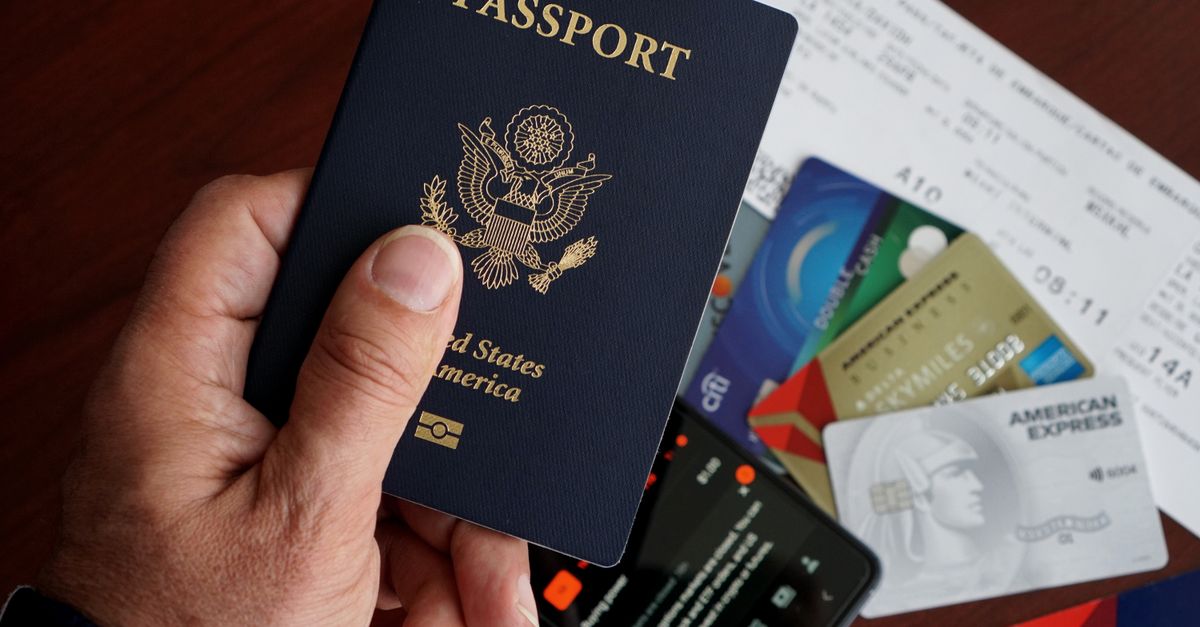
Hair transplant payment methods abroad fall into three buckets — US-dollar card and digital payments processed before you fly, monthly financing through Klarna or PayPal, and the old-school cash or wire transfer paid directly to a foreign clinic.
Doctours bills US patients in USD through Stripe and PayPal before the trip, with deposits from $300 to $1,000 and all-in package balances from $2,200 to $7,000 across 14 active clinics in Turkey, Mexico, Poland, and the United States.
Klarna and PayPal Pay Later spread the same USD package across 6, 12, 24, or 36 monthly payments — applied for online, approved in minutes, and required to be set up at least seven days before the procedure.
Paying a foreign clinic directly by international wire or cash typically adds 2% to 4% in currency conversion, plus a $15 to $50 wire fee and a 1% to 3% foreign transaction fee if a card is used at the clinic terminal.
Confirm currency, total cost, refund route, and who actually receives the money before signing anything — and never wire a deposit to an account name that does not match the clinic's legal entity.
Hair transplant payment methods abroad fall into three buckets. You can pay a US facilitator in dollars up front by card, PayPal, or a Klarna or PayPal monthly plan — and the facilitator settles with the foreign clinic. You can wire the foreign clinic directly from your US bank in the clinic's local currency. Or you can show up at the clinic and pay the balance in cash on arrival. Through Doctours, the first route is the default: USD all-in pricing from $2,200 to $7,000, deposits from $300 to $1,000, monthly plans up to 36 months, and zero foreign wire transfers required.
You have read the cost articles. You know a Turkey package can come in under $3,000 all-in and a US procedure can run $15,000. What you may not have figured out yet is the part nobody puts on a homepage — how is the money actually supposed to move? Cards or cash? Wire or app? Lira or dollars? On the day of surgery or before you board? Fair questions. And the answers shape the price as much as the procedure does.
This guide walks through every method on the table, what each one actually costs once fees and FX are factored in, how Doctours processes payments so the foreign-money problem goes away, and what to confirm in writing before you wire a single dollar anywhere.
What Hair Transplant Payment Methods Can You Actually Use Abroad?
Real-world payment options for a hair transplant abroad cluster into a handful of distinct flows. Each one moves money differently, takes a different fee, and lands a different amount in the clinic's account.
USD card on a US checkout. Visa, Mastercard, Amex, or Discover processed through a US payment gateway (Stripe, in the Doctours case). You pay in dollars, the gateway settles with the clinic, and your card statement shows a single line item in USD. No foreign transaction fee, no currency conversion.
PayPal or PayPal Pay Later. A standard PayPal payment from your US-funded account, or a Pay Later plan that splits the balance into 3, 6, 12, or 24 monthly payments. Same dollar amount, same domestic processor.
Klarna installment plan. A Klarna account approves a 6, 12, or 36-month plan against the package price. You make monthly USD payments to Klarna; Klarna settles with Doctours up front.
International wire transfer. A SWIFT wire from your US bank to the clinic's foreign account, usually denominated in lira, pesos, euros, or zloty. Wire fees typically run $15 to $50 outbound, with FX markup of 2% to 4% layered on the conversion.
Card swipe at the clinic terminal. Your US card run through the clinic's local payment terminal in the local currency. Most US card issuers add a 1% to 3% foreign transaction fee, and the dynamic currency conversion (DCC) the terminal may offer can stack another 3% to 7% on top.
Cash at the clinic. US dollars or local currency carried in person and handed over on the day of surgery. No processing fee, but plenty of practical risk — TSA limits, customs declarations over $10,000, and zero refund leverage if anything goes sideways.
Through a facilitator like Doctours, the first three options handle every cent before you board the plane. The last three only come into play when you book a clinic directly — and that is where most of the surprise fees on a hair transplant abroad live.
Why Does Doctours Bill You in USD Up Front?
The simplest answer is that you should not have to be a currency trader to get a hair transplant. The structural answer is that every clinic in the Doctours network publishes its package in a price the patient can pay in their home currency on a US-domiciled processor. The full transparent pricing breakdown covers the inclusion side of that promise; the payment-method side is the other half.
Three things follow from that choice. Doctours processes every patient charge through US-side providers (card via Stripe, PayPal direct, PayPal Pay Later, and Klarna installments). Doctours converts USD into the clinic's preferred currency on the back end and pays the clinic from a Doctours account, not the patient's. And Doctours assumes the FX risk on every clinic whose local currency is not USD — including Vera Clinic, Dr. Serkan Aygin Clinic, and Klinika Borejsza, all of which list package prices in euros on their own sites.
Put simply: you pay a US company in US dollars on a normal US checkout, exactly the way you would buy a flight or a hotel. No converting currency in your hotel lobby. No standing in a clinic reception with a stack of cash. No 2 a.m. wire transfer to a Turkish IBAN. Doctours coordinates hair transplant trips end to end, and the payment rail is part of that coordination — not an afterthought.
What's the Real Cost of Paying a Foreign Clinic by Cash or Wire?
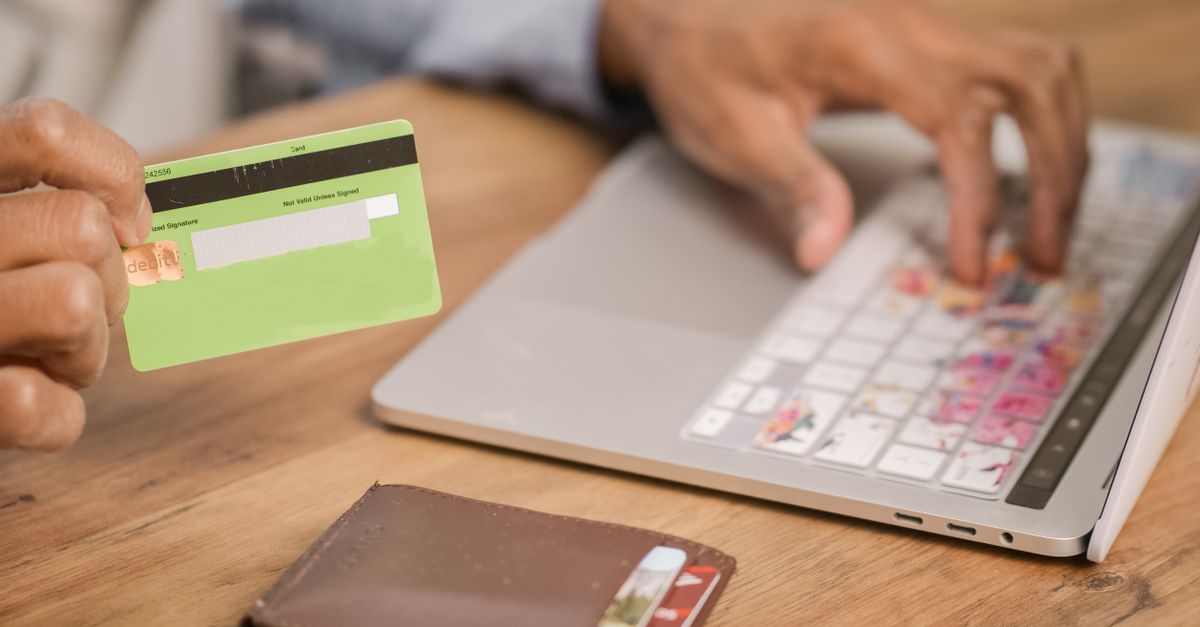
Most clinics that quote in lira, pesos, or euros expect a wire or a cash settlement on the day of surgery. On paper that sounds clean — agree on a number, send the money, done. In practice it adds three layers of cost that almost never show up on the original quote.
The wire fee. US banks generally charge $15 to $50 per international outbound wire, and the receiving bank often takes another $10 to $25 off the top before the clinic sees the deposit. The Consumer Financial Protection Bureau's guidance on international money transfers calls out that the advertised exchange rate and the actual rate the bank applies are rarely the same number.
The FX markup. A consumer wire converted by your US bank typically lands 2% to 4% worse than the mid-market exchange rate. On a $3,500 procedure, that is $70 to $140 of pure spread vanishing into the conversion — before anyone has touched a graft.
The card-swipe stack. If you walk in and swipe your US card at the clinic terminal in the local currency, your card issuer adds a 1% to 3% foreign transaction fee. If the terminal offers to charge in dollars instead — dynamic currency conversion — accepting that offer almost always layers another 3% to 7% on the price. The safest swipe is the one in local currency, with a no-foreign-fee card; the unsafe one is the dollar offer at the terminal.
The cash route. The TSA does not cap how much cash you can carry inside the US, but US Customs requires a FinCEN 105 declaration for any cross-border movement of more than $10,000. Below that, you are still walking into a foreign country with the full cost of your procedure in your luggage — and if something goes wrong with the clinic, the refund conversation happens face to face, in a second language, with cash that has already changed hands. That's the part most patients only think about after the deposit is gone.
Stacked together, a $3,500 procedure paid by direct wire and a partial card swipe at the clinic can easily land at $3,700 to $3,800 once fees and conversion settle out — a 6% to 9% premium for the privilege of moving the money yourself. The same procedure run through a USD checkout is the published number, full stop.
How Do Card, Cash, and Wire Payment Methods Compare?
Here is the cleaner side-by-side, with realistic fee ranges for a US patient sending money for a procedure in Turkey or Mexico in 2026:
Payment Method | How It Moves | Typical Extra Cost | Refund Recourse | Best For |
|---|---|---|---|---|
USD card or PayPal through Doctours | Domestic USD checkout via Stripe or PayPal | $0 — package price is final | Doctours runs disputes against the clinic for you | Most US patients |
Klarna or PayPal Pay Later | USD installments to a US lender; lender pays Doctours | 0% promo APR or standard APR depending on plan | Doctours plus the lender's buyer protection | Spreading cost over 6 to 36 months |
International wire to clinic | SWIFT wire from your US bank in clinic's currency | $15 to $50 wire fee plus 2% to 4% FX markup | Direct dispute with clinic; chargebacks unavailable | Patients comfortable with FX and direct booking |
Card swipe at the clinic terminal | POS terminal in local currency or DCC dollars | 1% to 3% foreign transaction fee; 3% to 7% if DCC | Chargeback possible via card network but slow | Settling small balances on arrival |
Cash on arrival | USD or local currency handed to clinic at check-in | $0 in fees; opportunity cost on the carry | Effectively none once cash changes hands | Edge cases only — not the default |
Two patterns surface when you read it as a list. First, every line that lives outside a US checkout adds either a fee or a refund-leverage gap — usually both. Second, the methods that look the most casual at the clinic counter (cash and DCC swipes) are the ones that cost the most once you total them up. The breakdown of how to avoid hidden fees on a Turkey hair transplant walks through where these costs hide on a direct-booked quote, and what to ask before you send any money.
How Does Doctours Handle the Money Behind the Scenes?
From your side, the checkout looks like any other US e-commerce experience. From the clinic's side, the money still has to land in their local account in their local currency. The piece in the middle is the part Doctours owns end to end.
Before you go. You select a package on the Doctours pricing page and pay a deposit — $300 at Vera Clinic and Motion Clinic, $375 at Art Line Clinic, $400 to $500 at most Turkish partners, $1,000 at American Mane and Esthetic Hair Miami in the US. Card payment goes through Stripe; PayPal goes through PayPal direct. Klarna and PayPal Pay Later kick in for the remaining balance once the deposit clears, with 6, 12, or 36-month terms approved in minutes.
While you're there. The clinic has already been paid by Doctours through one of the standard B2B rails — international wire, Wise, ACH, USDT, or PayPal business — using Doctours' own clinic-payout system. The clinic knows you as a fully settled patient before you walk in. You do not carry cash to the appointment. You do not swipe a card at the reception. You do not visit a currency exchange on the way to the airport. You arrive as a guest who has already paid the bill.
After you're home. If anything needs to be refunded — a cancelled procedure, an addon dispute, a graft-count adjustment — the conversation happens between Doctours and the clinic, on your behalf, against the published Doctours refund policy. The reimbursement comes back to the same US card or US PayPal account that paid the original charge. No foreign wire reversal. No "the clinic owes me, but I can't reach them" loop.
What Should You Confirm About Payment Before You Book?
Whether you book through Doctours, a different facilitator, or a clinic direct, a handful of payment-side details are worth pinning down in writing before you commit:
Currency of the quote and the charge. The price on the website may not be the price your card is billed in. Confirm both the listed currency and the charge currency, in writing.
Total expected payment, not just the deposit. Deposit-only quotes hide the full liability. Get the all-in number and the deposit number in the same email.
Accepted payment methods. Card networks, PayPal, Klarna, wire, cash — and which ones the clinic or facilitator actually supports. Some clinics will refuse a US Amex; some will only take cash for the balance.
Who legally receives the money. The entity name on the invoice should match the entity that books the procedure. A wire to a personal account or a third-party name is the single biggest red flag the Doctours clinic vetting checklist screens for.
Refund route if the procedure is cancelled. Confirm in writing how, by when, and in what currency a refund would be processed. Domestic refund to the original payment method is the cleanest path.
What happens if you add grafts or services on the day. Most clinics that change scope at the consultation also change price. Ask what the payment method for the delta is — and whether the delta could end up cash on arrival even if the base package was paid by card.
Two of those — refund route and on-the-day delta — are the questions that separate a clean booking from a messy one. Our deep dive on hair transplant payment plans abroad goes deeper on what to confirm before signing any installment agreement, and the same scrutiny applies to a one-shot wire.
Are There Cases Where Paying a Clinic Directly Still Makes Sense?
Honestly, yes — but they are narrower than they used to be. If you already live in the destination country, hold a local bank account in the same currency the clinic quotes in, and have an existing relationship with the clinic's billing office, a direct wire or a card swipe at reception is reasonable. Local-to-local payments avoid every FX layer described above.
For a US patient flying in, the math almost always tips the other way. Domestic USD processing avoids the wire fee, the FX markup, the foreign transaction fee, and the dynamic-currency-conversion stack. It keeps refund leverage on a US payment rail. It removes the cash-carry risk on travel day. The CDC's medical tourism guidance lists pre-arranged payment terms as one of the strongest predictors of a smooth experience abroad — and "pre-arranged" effectively means "settled before you board."
That is the role a facilitator plays on the money side. Not a luxury — a logistics layer that removes the rail you do not need to be on. Why use a hair transplant facilitator instead of booking direct covers the broader case, but the payment-method version is the clearest single illustration of the structural difference.
The Bottom Line
Hair transplant payment methods abroad are simpler than the clinic websites make them sound. Three things move money: a US-side processor (card, PayPal, Klarna) paying in dollars before you fly, an international wire from your bank to the clinic's account in their currency, or cash and a card swipe at the clinic counter. The first one is the only one that does not stack 2% to 9% in fees and FX onto the price you already agreed to.
Through Doctours, that first route is built in. All-in USD package pricing from $2,200 to $7,000. Deposits from $300 to $1,000. Card and PayPal accepted on a normal checkout, monthly plans up to 36 months in dollars, and a refund route that lives on the same US payment rail as your original charge. You handle the procedure decision. Doctours handles the part where the money has to find a foreign clinic. You arrive as the patient, not as a courier.
You have already done the hard part by deciding to take care of yourself. The way the money moves is just plumbing — and it should feel like plumbing. Quiet. Standard. The way every other large purchase you make already works.
Want to see the all-in USD number and accepted payment methods for the clinics that match your case? A free Doctours assessment hands you matched options, real pricing, and a payment plan that fits — no pressure, no commitment.

FAQs
What payment methods do hair transplant clinics abroad accept?
Foreign hair transplant clinics typically accept international wire transfers, in-person card payments at the clinic terminal, and cash on the day of surgery. When you book through a US-based facilitator like Doctours, you pay in US dollars by card, PayPal, Klarna, or PayPal Pay Later on a normal US checkout before you fly — no foreign wire required.
Can I pay for a hair transplant abroad with a US credit card?
Yes. Through Doctours, every package is charged in USD on a US-domiciled processor, so a standard Visa, Mastercard, Amex, or Discover works exactly like any other domestic purchase — no foreign transaction fee and no currency conversion. If you book a clinic directly and swipe at the clinic terminal abroad, most US card issuers add a 1% to 3% foreign transaction fee, and dynamic currency conversion at the terminal can stack another 3% to 7%.
Do I need to bring cash to a hair transplant clinic in Turkey or Mexico?
No, not when you book through Doctours. The entire package — deposit and balance — is paid in USD before you travel, and Doctours settles with the clinic on the back end. Some clinics that book direct still expect cash on arrival for part of the balance, but it is no longer the default model for US patients using a facilitator.
How much do international wire transfer fees cost for a hair transplant abroad?
US banks generally charge $15 to $50 per international outbound wire, and many receiving banks take another $10 to $25 from the deposit before the clinic sees it. On top of that, the bank's currency conversion typically lands 2% to 4% worse than the mid-market exchange rate, so a $3,500 procedure paid by direct wire can easily add $100 to $200 in fees and FX before any clinic-side charges.
Is it safe to pay a foreign hair transplant clinic directly?
It can be safe if the clinic is reputable, but the refund leverage is weaker than a US-side payment. Once a wire lands in a foreign account or cash changes hands at the clinic, you are negotiating directly with the clinic in a second language if anything goes wrong. Booking through a US-based facilitator keeps the payment on a US rail and routes refund disputes through the facilitator on your behalf.