


Overview
The medical tourism scams to avoid before booking surgery abroad fall into six repeatable patterns — fake credentials, wire-fraud deposits, ghost clinics, bait-and-switch surgeons, per-graft price inflation, and manufactured reviews — and every one depends on getting your money before you can verify anything.
Through Doctours, each of those red lights is checked before a patient sends a dollar overseas, across more than a dozen vetted partner clinics in Turkey, Mexico, Poland, and the United States, with flat-rate USD packages from $2,200 to $7,000 and deposits from $300 to $1,000 held with written refund triggers.
A real credential has an issuing body, a certificate, and a public register you can check — like the International Health Tourism Authorization Certificate from the Republic of Turkey Ministry of Health carried by Heva Clinic, MetropolMED, and Vialife Clinic — while a scam has only a logo.
Legitimate bookings name the operating surgeon before you commit and quote a flat price in your own currency; MetropolMED runs 4.8 stars across 29 booking-tied reviews and Dr. Serkan Aygin Clinic 4.6 across 40, all cross-checked against Google, Trustpilot, and RealSelf.
A seven-step check — confirm the facility, verify the license, check credentials on the issuer's site, get a written flat quote, question the deposit, read independent reviews, and confirm aftercare — protects you before any money moves, and Doctours runs it for you with 12 to 36 months of US-based aftercare on every booking.
The medical tourism scams to avoid before you book surgery abroad fall into a handful of repeatable patterns: fake or borrowed credentials, wire-transfer deposits that vanish, “ghost” clinics that exist only as a website, a bait-and-switch where the famous surgeon you saw online never touches your case, and per-graft quotes that balloon at the chair. Through Doctours, every one of those red lights is checked before a patient sends a single dollar overseas — across more than a dozen vetted partner clinics in Turkey, Mexico, Poland, and the United States, with flat-rate USD packages from $2,200 to $7,000, deposits from $300 to $1,000 held with written refund triggers, and 12 to 36 months of US-based aftercare on every booking.
You have probably felt the pull and the pause in the same afternoon. A clinic abroad quotes a price that is a third of what your hometown surgeon wants. The before-and-after photos look incredible. The consultant on WhatsApp answers in ninety seconds. And then the other voice kicks in. What if I wire the deposit and never hear from them again? What if the surgeon in the video isn't the one holding the tool?
Those questions are not paranoia. They are the exact instincts that keep you safe — and they deserve real answers, not a reassuring emoji. So let's do this the honest way. Here is how the common medical tourism scams actually work, what each one looks like from the inside, and how to check any clinic before your money leaves your account. No fear-mongering. Just the tells.
What Are the Most Common Medical Tourism Scams to Avoid?
Most cross-border surgery fraud is a variation on six moves. Knowing the categories is what turns a vague bad feeling into a specific question you can ask out loud:
Fake or borrowed credentials. A clinic posts accreditation logos it never earned, or names a “board-certified” surgeon whose license you cannot find on any public register. The badge is decoration, not verification.
Wire-fraud deposits. You are pushed to send a deposit by international wire, crypto, or a money-transfer app to a personal account — payment rails with no chargeback and no recourse once the money lands.
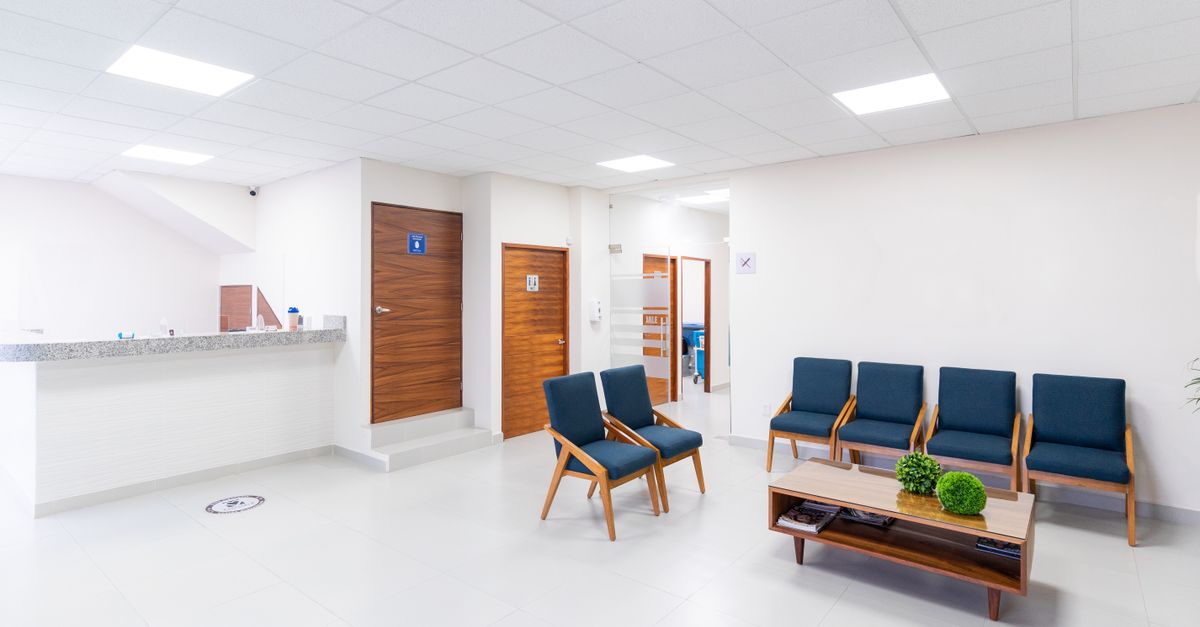
Ghost clinics. The “clinic” is a website, a stock-photo lobby, and a phone number. There is no licensed facility behind it, or the address belongs to a rented room used only on surgery day.
Bait-and-switch surgeons. The renowned doctor in the marketing never operates. A technician you never met performs the surgery, sometimes running several patients at once.
Per-graft price inflation. The headline price quotes a low per-graft rate, then the count “discovered” on the day triples the invoice while you are already in the chair.
Manufactured trust. Fake five-star reviews posted in a single week and stolen before-and-after photos build a reputation that was never real.
Doctours screens for every one of these before a clinic ever reaches your shortlist — the same red lights covered from the pricing side in the cheap hair transplant red flags guide and from the surgery-day side in the safety red flags every patient should spot.
Why Do Medical Tourism Scams Work So Well?
Fair question. These scams are not clumsy — they are engineered around the two things you cannot easily do from another country: verify and recover. You cannot walk into the facility. You cannot look up a foreign license as easily as a local one. And once an international wire clears, there is no bank on your side to claw it back. The FTC's guidance on payment scams makes the same point — pressure to pay by wire, gift card, or crypto is itself one of the loudest warning signs, precisely because those methods are built to be irreversible.
There is an emotional lever too, and honesty means naming it. When a price feels like a once-in-a-lifetime window and a friendly voice says the slot is filling up, urgency does the work that scrutiny should. The CDC's medical tourism guidance flags exactly this gap: accreditation, continuity of care, and clear payment terms are the factors most often missing when something goes wrong abroad. The fix is not to distrust everyone — it is to move the verification before the money, every single time.
How Do You Spot Fake Clinic Credentials?
A real credential has three parts: an issuing body, a certificate that body actually maintains, and a public register where you can confirm the clinic or surgeon is on the list. A scam has one part — the logo. The test is simple: ask for the credential name and number, then look it up on the issuer's own site, not the clinic's PDF.
Real examples help. The Doctours partners in Turkey carry the International Health Tourism Authorization Certificate issued by the Republic of Turkey Ministry of Health — a credential you can confirm on the ministry's own list, held by Heva Clinic, MetropolMED, and Vialife Clinic. Heva and MetropolMED also hold the TÜRSAB Health Tourism Agency Certification from the Association of Turkish Travel Agencies. Surgeon licenses work the same way: Dr. Serkan Aygin, Dr. Cemal Karayazi at MetropolMED, and Dr. Maciej Borejsza at Klinika Borejsza in Poland — each verifiable with the relevant national medical board, not just a headshot on a homepage.
Put simply, a credential you cannot independently confirm is a claim, not a qualification. The independent clinic verification breakdown and the Doctours review process walk through how we confirm each one with the issuing authority before listing a partner.
Where Does Your Deposit Actually Go — and Can You Get It Back?
This is the question the scam is built to keep you from asking. If an operator wants a deposit wired to a personal account, sent by crypto, or paid through a money-transfer app “to lock your date,” stop. Those are one-way rails. A legitimate booking tells you exactly where the deposit sits between now and surgery, and what triggers a refund — in writing, before you pay.
Here's how Doctours handles it. Every quote is flat-rate in US dollars — from $2,200 at Esthetic Hair Turkey to $7,000 at American Mane — with no per-graft revision at the chair. Deposits run from $300 at Motion Clinic up to $1,000 at the US-based clinics, held by Doctours with refund triggers (a clinic match falling through, a documented medical contraindication, a scheduling failure) written into the booking before any money moves. You are billed in your own currency, up front, so you never wire cash to a stranger abroad. The deposit and refund policy explainer and the hidden costs guide cover the mechanics.
Scam Signal vs. What a Legitimate Booking Looks Like
Reading the two columns side by side is the fastest gut-check in the whole process. Every row on the left is a move designed to skip verification; every row on the right survives a phone call, a bank record, and a look at the public register.
Booking step | Scam signal | Legitimate booking (Doctours standard) |
|---|---|---|
Credentials | Logos with no issuer or number | Certificate name and issuing body you confirm on the issuer's own register |
Surgeon | “You'll meet the doctor on the day” | Named operating surgeon before booking, license verifiable at the national board |
Price | Low per-graft rate, count set at the chair | Flat-rate USD package, $2,200 to $7,000, no day-of revision |
Deposit | Wire or crypto to a personal account, non-refundable | $300 to $1,000 held with written refund triggers, billed in USD |
Reviews | A cluster of five-star posts dated the same week | Booking-tied reviews alongside Google, Trustpilot, and RealSelf |
Aftercare | “24/7” and a foreign number | 12 to 36 months of US-based aftercare with a named coordinator |
If the clinic you are looking at lands in the middle column on even two of these rows, that is your answer. The ten operator-transparency questions turn each row into something you can ask over email before you ever commit.

How Doctours Removes the Scam Risk Before You Send a Dollar
Doctours was built around a single idea: do the verification for you, before the money, so the decision in front of you is which vetted clinic fits your case — not whether the clinic is real. Every partner clears a five-stage review before it is ever listed: desk credentialing, independent audits confirmed with the issuing agency, an in-person inspection by a Doctours team member on real operating days, a booking-tied patient-outcome review, and ongoing re-audits at least once a year.
The proof shows up in the parts scammers cannot fake. The operating surgeon is named before you book — Dr. Serkan Aygin at Dr. Serkan Aygin Clinic, Dr. Hakan Bozkurtoğlu at Dr. Hakan Clinic, and Dr. Cemal Karayazi at MetropolMED. Reviews are booking-tied and cross-checked against Google, Trustpilot, and RealSelf — MetropolMED at 4.8 stars across 29 reviews, Dr. Serkan Aygin Clinic at 4.6 across 40, Dr. Hakan Clinic at 4.7 across 17, and Heva Clinic at 4.3 across 69. And patients pay Doctours nothing — clinics pay a coordination fee, so there is no commission stacked on your quote. How Doctours pricing actually works and real patient reviews lay it out.
A 7-Step Check to Run Before You Book Any Clinic Abroad
Whether you book through Doctours or on your own, run this before a deposit leaves your account. It takes about half an hour and costs nothing:
Confirm the facility exists. A licensed address, not a rented room or a stock-photo lobby.
Verify the surgeon's license on the national medical board's register — by name, not by headshot.
Check every credential on the issuer's own site. Ministry-of-health lists and accreditation registers, not the clinic's PDF.
Get a flat quote in your own currency, in writing. A “starting at” number is not a quote.
Ask where the deposit sits and what triggers a refund. Refuse any wire, crypto, or app payment to a personal account.
Read reviews on platforms the clinic does not control. Look for dates, variance, and detail — not a five-star wall from one week.
Confirm who answers after you fly home. A named coordinator on a documented schedule, not “24/7” and a foreign number.
And honestly? Most people are not going to run all seven across two languages and three time zones before they pick a chair. That is the part Doctours handles on your behalf — the full framework lives in the 30-point clinic vetting checklist and how to choose a clinic in Turkey without getting scammed.
The Bottom Line
The medical tourism scams to avoid are not mysterious — fake credentials, wire-fraud deposits, ghost clinics, bait-and-switch surgeons, per-graft inflation, and manufactured reviews. Every one of them depends on the same thing: getting your money before you verify. Move the verification first, insist on names and numbers and a written quote in your own currency, and the whole category loses its power over you.
You have spent enough late nights toggling between glossy clinic pages and forum horror stories, trying to tell the real from the rigged. The work behind every Doctours partner does that part for you — more than a dozen vetted clinics across Turkey, Mexico, Poland, and the United States, flat-rate USD pricing from $2,200 to $7,000 on the pricing page, deposits from $300 to $1,000 held with refund triggers in writing, and a US-based care team that stays with you for 12 to 36 months after you land home. You get to make this choice from a place of information, not fear.
Ready to see what a fully vetted, scam-free booking looks like for your situation? A free Doctours assessment matches you with verified clinics, flat-rate USD pricing, and a US-based care team — how much you share is always up to you.
FAQs
What are the most common medical tourism scams?
The most common medical tourism scams are fake or borrowed credentials, wire-fraud deposits sent to personal accounts with no recourse, “ghost” clinics that are only a website and a phone number, bait-and-switch surgeons where the marketed doctor never operates, per-graft price inflation where the count is set at the chair, and manufactured trust from fake reviews and stolen before-and-after photos. Every one of them works by collecting your money before you can independently verify the clinic.
How do I know if an overseas clinic is real or a scam?
Confirm three things before you pay: that the facility has a real licensed address, that the operating surgeon's license appears on the national medical board's public register, and that any accreditation is listed on the issuing body's own site rather than just the clinic's PDF. If an operator pushes you to wire a deposit to a personal account or refuses to put a flat quote in writing, treat that as a scam signal on its own.
Is it safe to wire a deposit to a clinic abroad?
Wiring a deposit directly to a personal account, or paying by crypto or a money-transfer app, is one of the riskiest moves in medical tourism because those methods are irreversible and offer no chargeback. A safer booking tells you exactly where the deposit sits and what triggers a refund in writing before you pay; Doctours bills in USD up front and holds deposits of $300 to $1,000 with documented refund triggers, so you never wire cash to a stranger overseas.
How can I verify a surgeon's credentials before booking abroad?
Ask for the surgeon's full legal name and license number, then look it up on the relevant national medical board's register — the Turkish Medical Association in Turkey, COFEPRIS and the state cédula profesional registry in Mexico, or the Naczelna Izba Lekarska in Poland. A headshot and a “board-certified” label on a homepage are not verification; a license you can confirm on the issuer's own site is.
Does Doctours protect patients from medical tourism scams?
Yes. Doctours runs every partner clinic through a five-stage review — desk credentialing, independent audits confirmed with the issuing agency, in-person inspection on real operating days, booking-tied patient-outcome review, and annual re-audits — before it is ever listed. Patients pay Doctours nothing, quotes are flat-rate USD from $2,200 to $7,000, the operating surgeon is named before booking, and deposits from $300 to $1,000 are held with written refund triggers, which removes the verification and payment gaps that scams rely on.