




Overview
Most patients never need a dedicated hair transplant medical visa — for US, Canadian, UK, and EU citizens, a standard tourist entry covers an elective hair transplant in Turkey, Mexico, and most of Europe on a typical 4 to 7 day trip.
US citizens enter Turkey visa-free for up to 90 days in any 180-day period (a rule in place since January 2024), enter Mexico on a free tourist card for up to 180 days, and enter Schengen Europe, including Poland, visa-free for 90 days.
From the last quarter of 2026, US, UK, and Canadian travelers will need ETIAS — a €20 online travel authorization, not a visa — before entering the 30 ETIAS countries in Europe.
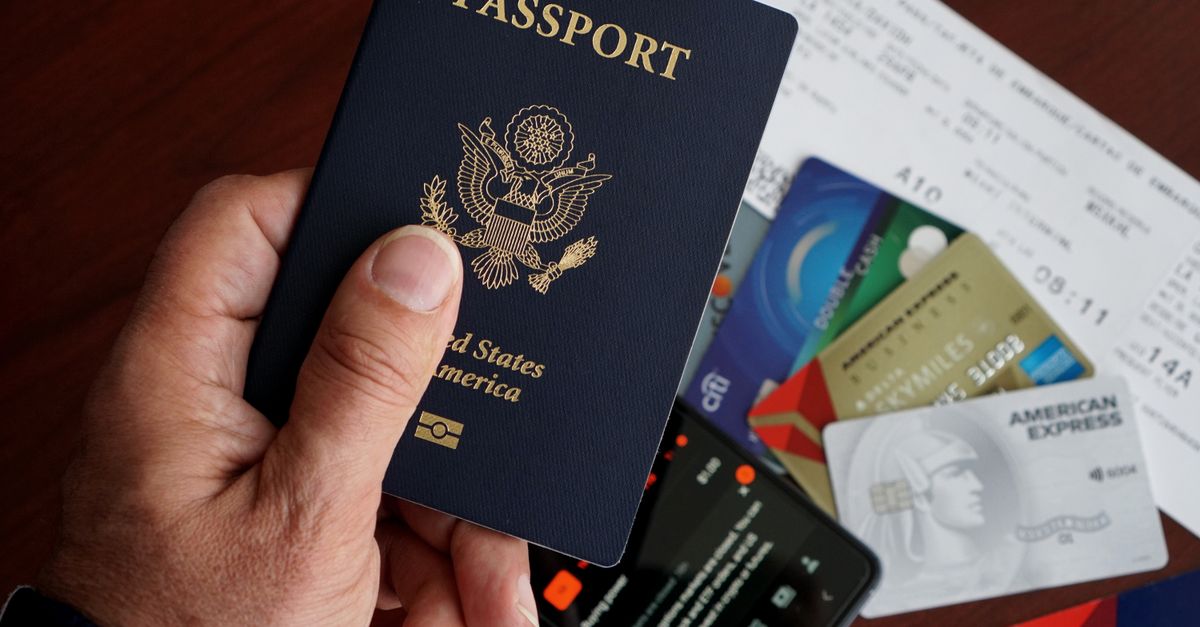
The paperwork that actually matters is a passport valid at least six months beyond entry, proof of return travel, and a clinic appointment letter — and your Doctours care coordinator helps you assemble all of it before you fly.
Through Doctours partner clinics, an all-in hair transplant runs $2,200 to $5,000 in Turkey, $2,500 to $4,000 in Mexico, and $5,500 in Poland, with deposits from $300 and payment plans up to 36 months.
A hair transplant medical visa is something most patients never need. For US, Canadian, UK, and EU citizens, a standard tourist entry covers an elective hair transplant in Turkey, Mexico, and most of Europe — no special medical visa, no embassy appointment, no invitation letter required for a short trip. US citizens enter Turkey visa-free for up to 90 days in any 180-day period, enter Mexico on a free tourist card for up to 180 days, and enter Schengen Europe, including Poland, visa-free for 90 days. A "medical visa" is a real, separate category — but it mostly applies to longer stays, or to nationalities that need a visa to enter the country at all.
Here is where the worry usually starts. You have priced out the clinic, you have half-decided on a city, and then a forum post mentions a "medical visa" — and suddenly the whole plan feels official and complicated. Is there paperwork I am missing? Could I get turned away at the border? That hesitation is fair. Crossing into another country for surgery is a big enough step without a stack of forms you did not know about.
So let's clear the air. This guide covers who actually needs a medical visa, the real entry rules for Turkey, Mexico, and Europe, the short list of documents that genuinely matter, and how Doctours handles the paperwork side so the border crossing is the easy part of your trip.
Do You Need a Hair Transplant Medical Visa?
For the vast majority of patients, no — you do not need a hair transplant medical visa. Turkey lets US and Canadian citizens enter visa-free for tourism for up to 90 days in any 180-day period, a rule that has been in place since January 2024. Mexico admits US, Canadian, UK, and EU citizens for tourism without a visa. The Schengen countries in Europe, Poland included, allow the same nationalities to enter visa-free for 90 days. An elective hair transplant on a 4 to 7 day trip fits comfortably inside every one of those windows.
The reason this trips people up is the word "medical." It sounds like it should require its own permit. It usually does not. Immigration systems care about how long you are staying and whether your passport is valid — not whether your week abroad happens to include a clinic appointment. The US Department of State's Turkey page confirms that ordinary US passport holders do not need a visa for stays under 90 days, and the same logic carries across the destinations covered here.
What Is a Medical Visa, and How Is It Different?
A medical visa is a permit issued specifically so you can travel to receive treatment, and it usually requires an invitation or appointment letter from the clinic. It is a genuine category — countries like India run a formal medical-visa program, and Turkey has a health-tourism framework of its own. But a medical visa exists mainly for two situations: travelers whose nationality already requires a visa to enter the country, and patients whose treatment and recovery will run longer than a standard tourist stay allows.
A hair transplant is neither of those for most Western patients. It is a single-day outpatient procedure followed by a few nights of rest, and the passport you already own is the only travel document the trip requires. If you want the full step-by-step of how the journey comes together, our travel plan for American patients walks through every phase, and our pre-flight safety checklist covers what to square away before you go.

What Are the Entry Rules for Turkey, Mexico, and Europe?
Each destination has its own simple entry path, and none of the three requires a medical visa for a short hair transplant trip. Turkey admits US and Canadian citizens visa-free for up to 90 days; you just need a passport valid for at least six months beyond your entry date, and the Republic of Türkiye Ministry of Foreign Affairs publishes the current exemption list. Mexico issues a free tourist permit (the Forma Migratoria Múltiple, or FMM) on arrival and allows tourist stays of up to 180 days. Schengen Europe, which includes Poland, lets US, UK, and Canadian citizens enter visa-free for 90 days in any 180-day period.
Destination | Visa for US Citizens? | Entry Document | Max Tourist Stay | What Changes in 2026 |
|---|---|---|---|---|
Turkey (Istanbul) | None | Passport, valid 6+ months | 90 days / 180 | No change |
Mexico (Tijuana, Cancún) | None | Free tourist card (FMM) | 180 days | No change |
Schengen Europe (Poland) | None | Passport | 90 days / 180 | ETIAS authorization |
The one genuine change on the horizon is in Europe. From the last quarter of 2026, the EU's ETIAS travel authorization will be required for visa-exempt travelers, including Americans. It is not a visa — it is a €20 online form, valid for three years, approved for most people within minutes — but it is worth knowing about if your trip lands after it goes live. Doctours partner clinics span all three regions, from Heva Clinic and MetropolMED in Istanbul to Art Line Clinic in Tijuana and Klinika Borejsza in Warsaw, so wherever you go, your coordinator already knows the entry path. For the full European picture, our Europe cost guide compares prices country by country.
What Paperwork Do You Actually Need to Pack?
Forget the medical visa for a moment — here is the short list that genuinely matters. Get these right and the border crossing is a formality.
A valid passport. Most countries, Turkey included, want at least six months of validity beyond your entry date. If yours is close, renew first — US passport processing runs several weeks for routine service.
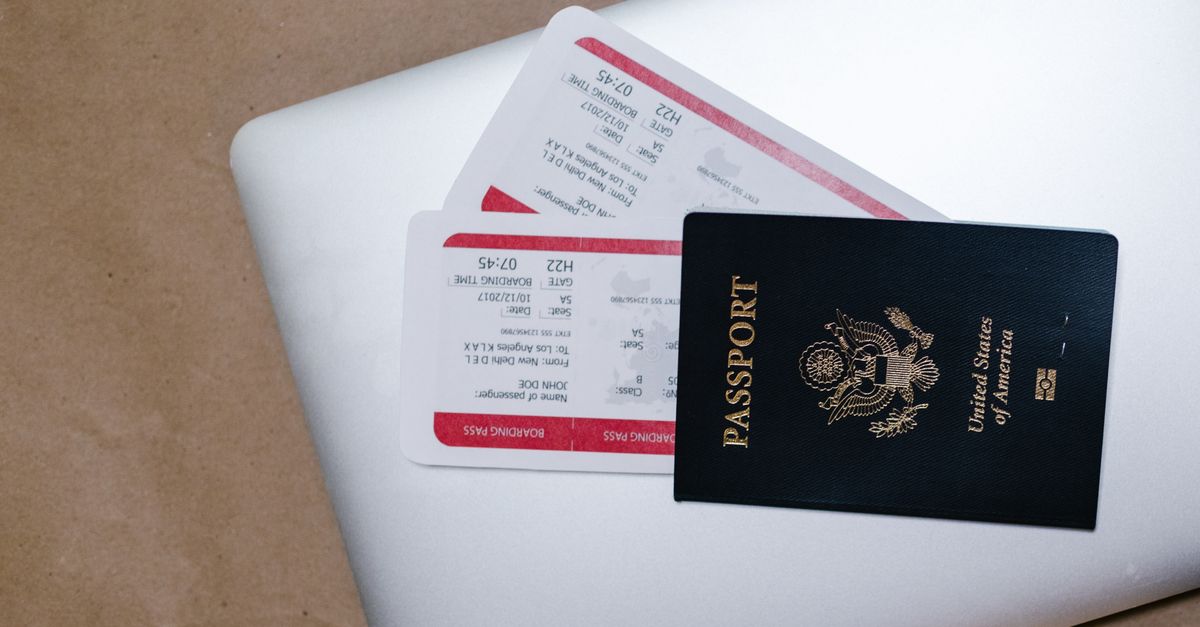
Proof of return or onward travel. Officers can ask to see a return ticket on a visa-free entry, so keep your itinerary handy.
A clinic appointment letter. Not required for visa-free entry, but a one-page confirmation of your booking is reassuring to have, and it is the document a formal medical visa would hinge on if you ever needed one.
Travel insurance that covers complications. Standard policies often exclude planned procedures — our breakdown of hair transplant travel insurance explains what to look for.
That is the whole kit. A passport, a return ticket, a booking you can point to, and sensible coverage. Everything else about the trip — the clinic match, the flights, the hotel, the transfers — is what a facilitator assembles around it, and you can see real numbers on the Doctours pricing page before you commit to anything.
When Do You Actually Need a Medical Visa?
There are real cases where a medical visa is the right document, and it is worth naming them so you can rule yourself in or out quickly. You generally need a medical visa if your nationality requires a visa to enter the destination at all — a traveler who would need a visa for tourism will usually be steered toward the medical-visa track for treatment. You may also need one if your treatment and recovery will outlast the visa-free window, which can happen with major surgeries but almost never with a hair transplant.
If either of those applies to you, the path is straightforward: the clinic issues an invitation letter, you apply through the country's official system, and the booking confirmation becomes part of your application. This is exactly the kind of edge case a coordinator should flag early, well before you book flights. The CDC's medical tourism guidance recommends confirming your specific entry requirements in advance rather than assuming — sound advice no matter which passport you hold.
How Does Doctours Handle the Paperwork?
Through Doctours, the travel-document side of your trip is checked before it ever becomes a problem. Before you go, your US-based care coordinator confirms your passport validity against your travel dates, tells you plainly whether your nationality needs any visa or authorization for your chosen country, and provides the clinic appointment letter if you want one in hand. While you are there, you arrive as a known patient at a clinic Doctours has visited in person — not a stranger walking in cold — and three Istanbul partners, Heva Clinic, MetropolMED, and Vialife Clinic, hold the International Health Tourism Authorization Certificate from the Republic of Turkey Ministry of Health.
After you are home, your coordinator stays reachable 24/7 through recovery. And none of this coordination costs you extra: Doctours is free for patients because partner clinics pay for the coordination, with all-in packages from $2,200 in Turkey, $2,500 in Mexico, and $5,500 in Poland, deposits from $300, and payment plans up to 36 months. If you are still weighing where to go, our Turkey versus Mexico comparison and the full partner clinic list are the place to start.
The Bottom Line
For almost every patient flying from the US, Canada, the UK, or the EU, a hair transplant medical visa is a non-issue. Turkey, Mexico, and Schengen Europe all welcome you on a standard tourist entry, and the only documents that really matter are a passport with six months of validity, a return ticket, and a booking you can point to. The word "medical" makes it sound like a hurdle. It is not.
A medical visa is a real category, and there are travelers who need one — those whose passport already requires a visa, or whose stay runs long. If that is you, the route is clear and the clinic's invitation letter does most of the work. Either way, the answer to "what do I need?" should come from someone who checks it against your dates before you book, not from a forum thread at midnight.
You have done the hard part already — the research, the math, the decision that this is your turn. The paperwork is the small part, and it is the part a team can carry for you. You get to focus on the result waiting on the other side.
Not sure what your specific trip requires? A free assessment confirms your entry rules, matches you with a vetted clinic, and lays out the whole plan in USD — no pressure, no commitment.

FAQs
Do you need a medical visa for a hair transplant in Turkey?
No. US, Canadian, UK, and EU citizens enter Turkey visa-free for tourism for up to 90 days in any 180-day period, and a standard tourist entry covers an elective hair transplant. You only need a passport valid for at least six months beyond your entry date.
Do Americans need a visa for a hair transplant in Mexico or Europe?
No. US citizens enter Mexico on a free tourist card (FMM) for up to 180 days and enter Schengen Europe, including Poland, visa-free for 90 days. From the last quarter of 2026, Europe will require ETIAS, a €20 online authorization that is not a visa.
What is a medical visa and when do you need one?
A medical visa is a permit issued specifically for traveling to receive treatment, usually requiring a clinic invitation letter. You generally need one only if your nationality already requires a visa to enter the country, or if your stay will run longer than the visa-free window allows.
What documents do you need to fly abroad for a hair transplant?
A passport valid at least six months beyond your entry date, proof of return or onward travel, and ideally a clinic appointment letter and travel insurance that covers complications. A Doctours care coordinator helps you confirm and assemble all of it before you fly.
How much does a hair transplant abroad cost through Doctours?
Through Doctours partner clinics in 2026, all-in packages run $2,200 to $5,000 in Turkey, $2,500 to $4,000 in Mexico, and $5,500 in Poland. Deposits start at $300 and monthly payment plans up to 36 months are available across the partner network.