




Overview
An alopecia areata hair transplant rarely succeeds while the disease is active, because the same autoimmune attack that thinned your hair can target transplanted grafts too — most reputable surgeons decline to operate on an unstable scalp.
Alopecia areata is an autoimmune condition, not male pattern baldness: it is non-scarring, affects roughly 2 percent of people at some point in life, and the hair it takes can regrow on its own, which is why treatment comes before surgery.
Dermatologist-led treatment — injected or topical corticosteroids, JAK inhibitors, minoxidil, and immunotherapy — is the first step, and a transplant is only considered for stable, long-dormant cases or when androgenetic loss coexists.
Through Doctours, a vetted partner surgeon reviews your history and photos from home before you book travel, with all-in packages from $2,200 to $7,000, deposits from $300, and payment plans up to 36 months in USD.
Doctours has visited all 14 partner clinics in person, is free for patients because clinics pay the coordination fee, and is rated across 324 verified partner reviews — so an honest 'treat first' is worth more to you than an eager 'yes' is to us.
An alopecia areata hair transplant rarely works while the disease is active — most reputable hair restoration surgeons will not operate on an unstable autoimmune scalp, because the same immune system that switched off your follicles can attack transplanted grafts just as easily. Alopecia areata is an autoimmune condition, not male pattern baldness, and it is non-scarring: the follicles are paused, not destroyed, so hair often regrows on its own once a flare settles. That is exactly why Doctours screens autoimmune patients honestly and routes them to treatment first — even though a full procedure runs $2,200 to $7,000 all-in across our network, not the $10,000 to $15,000 a comparable US clinic charges for surgery alone.
If you have alopecia areata, you already know it doesn't play by the rules pattern baldness does. One month a patch fills back in. The next, a new one opens somewhere else. You have probably watched a coin-sized bald spot appear almost overnight and thought — can't I just transplant hair into it and be done?
Fair question. And the honest answer is one a lot of clinics won't give you, because it costs them a sale. So let's clear the air. This guide walks through why autoimmune cases are different, what has to happen before anyone picks up a scalpel, and the narrow set of situations where a transplant actually makes sense — so you know where you stand before you spend a deposit or a flight.
Can You Get a Hair Transplant With Alopecia Areata?
Usually not while the disease is active — and that is the most important thing to understand up front. A hair transplant moves follicles from the back of your scalp into thinning areas, but it does nothing to stop the immune response that causes alopecia areata in the first place. Move healthy grafts into an active flare and your body can attack them the way it attacked the originals. Because alopecia areata is non-scarring, the follicles it silences can also switch back on without surgery, which means an operation is often unnecessary — and, done at the wrong time, wasteful. The American Academy of Dermatology describes it as an unpredictable condition where hair can regrow and fall out again over years.
This is a different question from the donor-and-pattern one most candidates face. Our broader candidacy guide covers age, donor density, and pattern stability; this article is about the autoimmune piece specifically. What separates a real candidate from a not yet here is not your donor supply — it is whether the disease is stable, how long it has stayed quiet, and whether a dermatologist agrees the flares have truly settled.
How Is Alopecia Areata Different From Male Pattern Baldness?
Male pattern baldness — androgenetic alopecia — is a slow, predictable thinning driven by hormones and genetics, where follicles shrink over years and stay gone. That permanence is exactly why transplants work so well for it. Alopecia areata is the opposite kind of problem. It is autoimmune: your immune system mistakes healthy hair follicles for a threat and forces them into a resting state, causing the round, patchy loss it is known for. The NIH institute for skin and joint conditions estimates it affects roughly 2 percent of people at some point in their lives, and unlike pattern baldness, the hair it takes can come back on its own.
Type of Hair Loss | Cause | Scarring? | Transplant Outlook |
|---|---|---|---|
Alopecia areata | Autoimmune attack on follicles | No — follicles dormant, not destroyed | Treat first; surgery only if stable for years |
Male pattern baldness | Hormones and genetics | No — follicles shrink permanently | Strong candidate when donor supply is good |
Scarring (cicatricial) alopecia | Inflammation destroys follicles | Yes — permanent scar tissue | Only after a biopsy confirms it is dormant |
Why does the distinction matter so much? Because the treatment paths could not be more different. Pattern baldness has no self-correcting mechanism, so surgery is the durable fix. Alopecia areata often responds to medication and sometimes resolves without any procedure at all — so leading with a transplant skips the step most likely to actually help you. And if your loss is a mix of both, the plan changes again, which is where a careful surgeon and dermatologist earn their keep. Sorting real candidates from not yet cases is the same honest judgment we walk through in our guide to diffuse thinning.

Why Won't Most Surgeons Transplant an Active Autoimmune Scalp?
Because the transplant does not change the underlying condition — it just gives it new targets. In alopecia areata, immune cells cluster around the hair bulb and force follicles to shed. Transplant fresh grafts into an area that is still under attack and you invite the same response: the new hairs can shed within months, and you have spent thousands of dollars speeding up a fight your body was already having with your hair. There is also the shock-loss risk that comes with any procedure — the temporary shedding of existing hair after surgery — which behaves less predictably on an autoimmune scalp. Our shock-loss guide explains how that normally resolves, but \"normally\" assumes a stable scalp to begin with.
Here's the thing: a surgeon declining to operate is not rejecting you — it is the system working the way it should. The clinic that shrugs and books you anyway is the red flag, not the one that pauses. That instinct to keep a schedule full at the expense of your result is exactly what careful vetting is built to catch, and our look at safety red flags abroad covers the warning signs — a clinic that never asks about your medical history chief among them.
What Treatments Come First for Alopecia Areata?
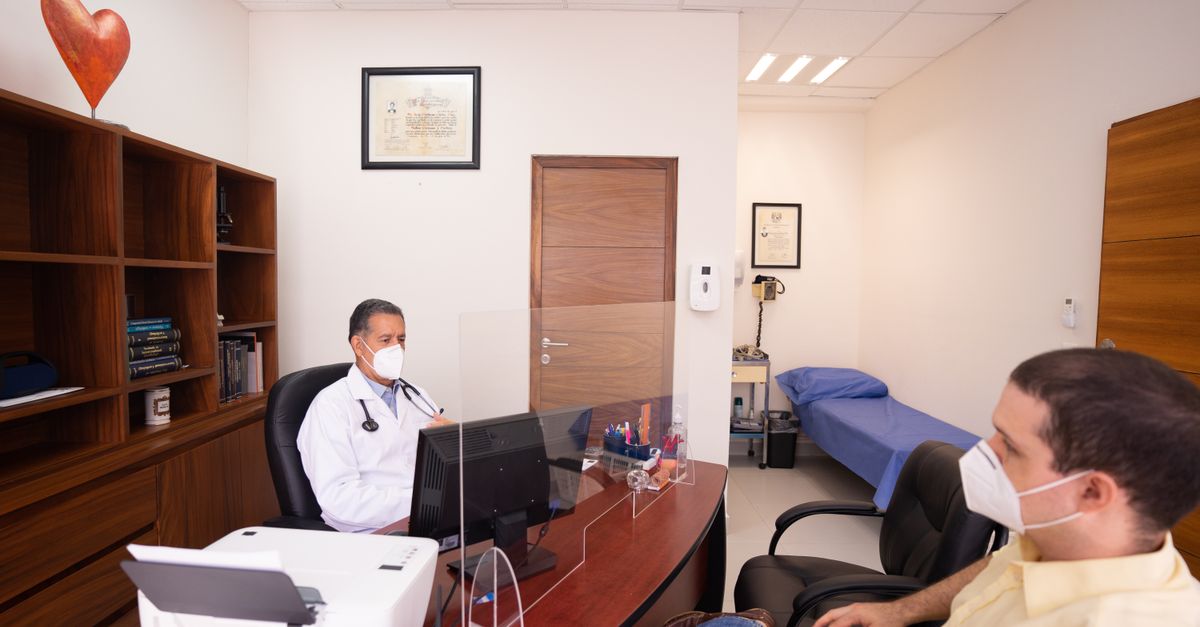
The first stop is a dermatologist, not a surgeon. Alopecia areata is a medical condition with real, evolving treatments, and most people get meaningful regrowth without ever needing an operation. A typical plan works through some combination of:
Corticosteroids — injected into the patches or applied topically to calm the immune attack; often the first-line option for limited loss.
JAK inhibitors — newer oral medications the FDA has approved for severe alopecia areata, capable of regrowing hair across large areas.
Topical minoxidil — used to support regrowth, usually alongside other treatments rather than on its own.
Topical immunotherapy — a dermatologist-supervised option for extensive or long-standing patches.
Trying these first is not delay for its own sake — it is that they address the actual disease, and a transplant does not. The FDA's approval of the first systemic alopecia areata treatment in 2022 changed what is possible for severe cases, and options have kept expanding since. If your hair loss turns out to be a mix of autoimmune and pattern loss, a surgeon might treat the alopecia areata to stability and then transplant only the androgenetic areas — a sequencing decision, not an either-or. It is the same \"medication before surgery\" logic we lay out in our guide on choosing medication or a transplant.
When Is an Alopecia Areata Hair Transplant Actually an Option?
There is a real window — it is just narrower than clinics selling volume want you to believe. A transplant becomes worth discussing once the disease has been stable and dormant for a long stretch, typically a year or more with no new patches, confirmed by the dermatologist who has followed your case. It also comes up when alopecia areata has burned out in one region while androgenetic thinning does separate damage elsewhere, or when a single old patch has stayed quiet for years. In those cases a surgeon may cautiously graft, knowing the chance of a future flare is never quite zero. A scalp biopsy is often part of confirming the picture — the same diligence that proper pre-op testing is meant to guarantee.
Even then, the honest framing is management, not cure. The transplant fills what is stable; it cannot promise the autoimmune process stays asleep. A good surgeon says that plainly before you book — and honestly? That candor is exactly what you want from someone about to operate on you.
How Does Doctours Screen Autoimmune Patients?
Through Doctours, the autoimmune conversation happens before you book anything, not after you land. You share your history, your treatment records, and photos, and a surgeon at a vetted partner clinic reviews them against your case — so if the answer is \"treat this first,\" you hear it from home, not from a chair in Istanbul. Doctours is free for patients — clinics in the network pay the coordination fee — so no one on our side has any reason to wave you toward surgery you are not ready for. An honest not yet protects your result far more than an eager yes ever could.
The vetting is what makes that honesty trustworthy. Before you go, Doctours has visited all 14 partner clinics in person, and three Turkey partners — Heva Clinic, MetropolMED, and Vialife Clinic — hold the Republic of Turkey Ministry of Health's International Health Tourism Authorization Certificate. While you're there, the surgeon builds the plan around your health, with all-in packages from $2,200 to $7,000, deposits from $300, and payment plans up to 36 months in USD. After you're home, a US-based care team stays on a 24/7 line through the full growth window — the same team behind Doctours US-based aftercare. Partner clinics are rated across 324 verified reviews, with MetropolMED averaging 4.8 across 29, Dr. Serkan Aygin Clinic 4.6 across 40, and Heva Clinic 4.3 across 69, and the full vetted network is open to browse.
The Bottom Line
For alopecia areata, a hair transplant is rarely the right first move — and that is genuinely good news. Because the condition is autoimmune and non-scarring, the follicles are usually dormant rather than dead, which means treatment can bring hair back without surgery in a way pattern baldness never allows. The path is a dermatologist first, stability confirmed over time, and surgery only if a flare has truly settled or separate pattern loss needs filling.
That is the part worth holding onto. Through Doctours, a vetted partner surgeon reviews your history and photos from home before you spend a dollar on travel, quotes any eventual procedure as a flat-rate package from $2,200 to $7,000, and backs it with deposits from $300, payment plans up to 36 months, and a US-based care team. If the honest read is \"treat first,\" you get that too — because a straight answer is worth more to you than a fast one is to us. Set against the $10,000 to $15,000 a US clinic charges for surgery alone, the math still favors doing this the careful way, and our full cost guide shows where the numbers land.
You have spent enough time watching your hair decide things for you. This is you taking the wheel back — getting a clear read on what is actually happening on your scalp, treating it properly, and choosing surgery only if and when it will hold. You get to do this in the right order, with a team that tells you the truth and stays close the whole way.
Not sure whether your alopecia areata is stable enough for a transplant — or whether treatment should come first? A free assessment gives you a surgeon-reviewed read on your case, flat-rate USD pricing, and a care team that handles every step — no pressure, no commitment.

FAQs
Can you get a hair transplant with alopecia areata?
Usually not while the disease is active. Because alopecia areata is autoimmune, the same immune response that caused your hair loss can attack transplanted grafts, so most surgeons treat active cases with medication first. A transplant is only considered once the condition has been stable and dormant for a long period, or when separate pattern baldness is also present.
Do hair transplants work for alopecia areata?
A transplant does not cure or stop alopecia areata, because it addresses the hair rather than the autoimmune cause. In stable, long-dormant cases it can restore areas that are no longer flaring, but on an active scalp the new grafts can shed like the original hair did. Dermatologist-led treatment is what actually targets the disease.
What is the difference between alopecia areata and male pattern baldness?
Male pattern baldness is a genetic, hormone-driven thinning where follicles shrink permanently, which makes it a strong transplant candidate. Alopecia areata is an autoimmune condition that pushes healthy follicles into a resting state, causing patchy loss that can regrow on its own. Because it is non-scarring and unpredictable, it is treated medically before any surgery is considered.
What treatments come before an alopecia areata hair transplant?
Dermatologists typically start with corticosteroids injected into or applied to the patches, and may add JAK inhibitors, topical minoxidil, or immunotherapy for more extensive loss. These target the immune response that causes the hair loss, which a transplant cannot do. Most people are advised to reach stable regrowth this way before surgery is ever discussed.
How much does a hair transplant cost through Doctours?
Through Doctours, all-in hair transplant packages range from $2,200 to $7,000 depending on the clinic and plan, with deposits from $300 and payment plans up to 36 months in USD. Doctours is free for patients because partner clinics pay the coordination fee, and a surgeon reviews your case from home first — including an honest read on whether an autoimmune condition means treating before any surgery.