



Overview
Hair transplant pre-op tests cover three things before a surgeon touches a single graft: blood work, a hands-on scalp and donor-area exam, and a full review of your medications and supplements.
Standard pre-op blood work is a short panel — a complete blood count, a clotting profile, blood sugar, and infectious-disease screening for HIV and hepatitis B and C — and credentialed clinics abroad usually run it on-site the morning of surgery with results back in an hour or two.
The scalp exam decides whether your donor area has the supply to reach the result you want, and the medication review catches everyday pills like aspirin, ibuprofen, fish oil, and vitamin E that quietly raise bleeding risk.
Through Doctours, all 13 vetted partner clinics are checked for exactly this testing, with all-in packages from $2,200 to $7,000, deposits from $300, and a US-based coordinator who runs your medication review at intake — weeks before you fly.
Hair restoration complication rates at credentialed clinics sit under 1% for infection and 1% to 3% overall for FUE per the International Society of Hair Restoration Surgery, and pre-op testing is the routine that keeps you in that low-risk group.
Hair transplant pre-op tests should cover three things before a surgeon touches a single graft: blood work — a complete blood count, a clotting panel, blood sugar, and infectious-disease screening for HIV and hepatitis B and C — a hands-on scalp and donor-area exam, and a full review of your medications and supplements. A credentialed clinic runs all three as a matter of routine, and a good facilitator confirms the clinic actually does rather than taking its word for it. Through Doctours, all 13 vetted partner clinics are checked for exactly this, with all-in packages from $2,200 to $7,000 and a US-based coordinator who runs your medication review at intake — weeks before you board a flight.
If you've gotten far enough to be reading this, you've already pictured the chair. What you probably haven't pictured — and what quietly keeps the deposit sitting in your account — is the part nobody posts about. What if they just sit me down and start, without checking anything first? Fair question. You're handing your trust to a clinic on another continent, and the difference between a smooth day and a bad one often comes down to whether they did the unglamorous work up front.
Here's the thing: the testing isn't a hurdle standing between you and your hairline. It's the proof that a clinic treats your surgery like surgery. So let's walk through exactly what belongs on the pre-op list — what each test screens for, when it happens, and how to confirm a clinic abroad runs the same checks a careful US clinic would.
What Pre-Op Tests Should a Hair Transplant Clinic Run?
A complete pre-op workup covers three buckets: blood work, a physical scalp and donor-area exam, and a medication review. Each one screens for a different risk. The blood work flags anything that could affect bleeding, healing, or anesthesia. The scalp exam decides whether your donor area has the supply to reach the result you want. The medication review catches the everyday pills and supplements that quietly raise your bleeding risk. The International Society of Hair Restoration Surgery treats all three as standard practice for a properly run procedure.
Pre-Op Test | What It Screens For | When It Happens | Typical Cost (USD) |
|---|---|---|---|
Blood count & clotting panel | Anemia, infection, bleeding risk | Home or surgery morning | $0–$150 |
Blood glucose | Undiagnosed diabetes that slows healing | Home or surgery morning | Included |
HIV, hepatitis B & C screen | Protects you and the surgical staff | Surgery morning | Included |
Scalp & donor-area exam | Donor density, Norwood stage, graft plan | Online consult + surgery day | $0 (in consult) |
Medication & supplement review | Bleeding and anesthesia interactions | Intake, weeks before | $0 |
Blood pressure & vitals | Anesthesia and cardiac safety | Surgery morning | Included |
Read it as a checklist and the test is simple: every row should have a clear answer before you fly, not a shrug. These are also among the questions worth asking any clinic before booking, and the donor-supply side ties directly into our graft count guide.
What Blood Work Comes Before a Hair Transplant?
Pre-op blood work for a hair transplant is a short, standard panel — not a full physical. Most clinics run a complete blood count (CBC) to check for anemia and infection, a coagulation panel (PT, aPTT, and INR) to confirm your blood clots normally, a fasting blood-glucose test to flag undiagnosed diabetes that can slow healing, and infectious-disease screening for HIV, hepatitis B, and hepatitis C. That last panel protects both you and the people in the operating room. The American Academy of Dermatology notes hair restoration surgery is generally low-risk for healthy adults — the blood work is simply how a clinic confirms you're in that group before the day, not after.
Most credentialed clinics abroad run this panel on-site the morning of surgery, with results back in an hour or two and the procedure paused if anything looks off. You can also get the same panel done at home one to two weeks ahead and send the results in, which is the route most patients take when they want a known issue settled before they travel. Either way, it belongs on the pre-flight safety checklist — your Doctours coordinator confirms the clinic's plan during intake so there are no surprises at 6 a.m. in Istanbul.
What Does the Pre-Op Scalp and Donor-Area Exam Check?
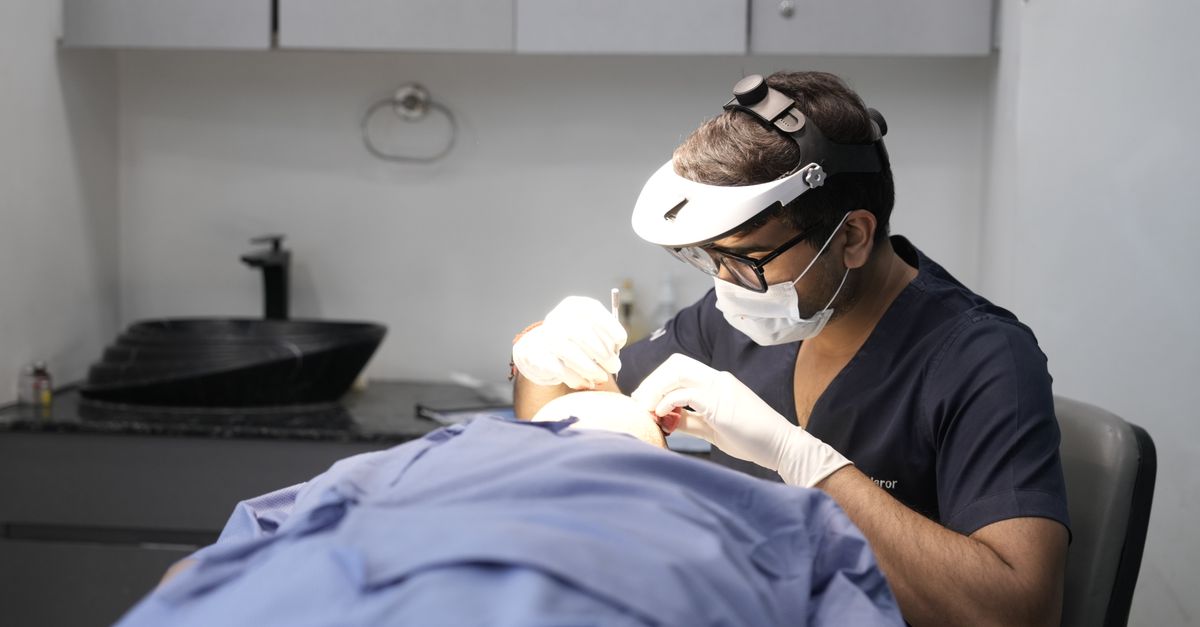
The scalp exam is where a surgeon decides what's actually possible for your hair. It maps four things: your donor density (the follicular units per square centimeter at the back and sides of your head), your stage on the Norwood scale, the recipient area that needs coverage, and your scalp laxity and overall scalp health. A good surgeon also checks for active conditions — folliculitis, seborrheic dermatitis, a flare of psoriasis — that would push the surgery date back rather than risk a poor take. The donor area determines the ceiling; no clinic can transplant hair you don't have to give.
For most patients this starts as a free online consultation from clear photos, then gets confirmed in person on surgery day before the surgeon designs the hairline. If you want to stage your own case first, our Norwood scale self-assessment walks through what the surgeon is reading when they look at the top of your head — and why a realistic graft plan beats an optimistic one.
Why Does the Medication and Supplement Review Matter?
The medication review is the quietest test on the list and the one patients most often underestimate. Several everyday medicines and supplements thin your blood and raise bleeding risk during graft extraction and placement: aspirin, ibuprofen and other NSAIDs, fish oil, vitamin E, and ginkgo are the usual suspects, along with alcohol in the days before surgery. Surgeons typically ask you to pause these about a week out, keep finasteride going unless told otherwise, and follow specific guidance on minoxidil around the procedure. The American Academy of Dermatology recommends sharing a complete medication list with the operating surgeon before any hair restoration procedure — and that includes the over-the-counter bottles you wouldn't think to mention.
This is the step a US-based facilitator can genuinely own. Doctours runs your medication and supplement review during intake — weeks before you fly — and passes anything that matters to the clinic, so the surgeon isn't learning about your daily aspirin on the morning of surgery. The same coordinator stays with you into recovery, which is where our guide to aftercare in the first 30 days picks up.

How Does Doctours Confirm a Clinic Runs These Checks?
Doctours vets every partner clinic in person before listing it, and pre-op testing is part of that review. We confirm the operating surgeon by name, check the clinic's government-issued credentials, and verify that blood work, a real scalp exam, and a medication review are standard — not optional add-ons. Three of our Turkey partners — Heva Clinic, MetropolMED, and Vialife Clinic — hold International Health Tourism Authorization Certificates from the Republic of Turkey Ministry of Health, which only goes to clinics that pass government inspection of facilities, staffing, and patient-safety protocols. Hair restoration complication rates at credentialed clinics sit under 1% for infection and 1% to 3% overall for FUE per the International Society of Hair Restoration Surgery, and routine pre-op testing is a big part of why.
The deeper version of this work lives in our guides to how to vet a clinic before you book abroad and what accreditation stamps really mean. The short version: a clinic that runs your tests and publishes its surgeons is showing you exactly who you're trusting.
When Do Hair Transplant Pre-Op Tests Happen If You're Traveling?
The tests don't all happen in one place, and that's the part worth planning. Your medication and supplement review happens first, at home, during Doctours intake — usually a few weeks out, with enough runway to pause anything that needs pausing. Your scalp exam starts online from photos and is confirmed in person on surgery day before the hairline is drawn. Your blood work and vitals are most often done on-site the morning of surgery, with results back before the first graft, though you can run the panel at home one to two weeks ahead if you'd rather have it settled before you fly. Our step-by-step travel plan for Americans lays the whole calendar out, day by day.
The Bottom Line
Pre-op tests are the least exciting part of a hair transplant and one of the most reassuring. Blood work, a real scalp exam, and an honest medication review — done before a surgeon touches a graft — are how a clinic proves it treats your day like the surgery it is. The good ones do this without being asked.
The version of this where you already know your clinic runs the full workup, where a US-based coordinator has reviewed your meds weeks in advance, and where the surgeon is named and credentialed — that's been available the whole time. Through Doctours, it comes with 13 vetted clinics, all-in pricing from $2,200 to $7,000, deposits from $300, and 225 verified reviews behind the network.
You've done the research and the waiting. You don't need to gamble on whether a clinic will check you first. You just need the one that already does — and the room to decide it's your turn.
Want to know your clinic runs the right pre-op tests before you fly? A free Doctours assessment gives you matched, vetted clinics and a US-based coordinator who handles the checks — no pressure, no commitment.

FAQs
What pre-op tests do you need before a hair transplant?
You need three things before a hair transplant: blood work (a complete blood count, a clotting panel, blood glucose, and screening for HIV and hepatitis B and C), a hands-on scalp and donor-area exam, and a review of your medications and supplements. A credentialed clinic runs all three as standard, and through Doctours every vetted partner clinic is confirmed to do so before you book.
Does a hair transplant require blood tests?
Yes. A standard pre-op blood panel includes a complete blood count, a coagulation profile, a blood-glucose test, and infectious-disease screening for HIV, hepatitis B, and hepatitis C. Most clinics abroad run it on-site the morning of surgery with results back in an hour or two, though you can also complete it at home one to two weeks ahead.
Do clinics abroad run the same pre-op tests as US clinics?
Credentialed clinics abroad run the same core pre-op tests — blood work, a scalp exam, and a medication review — as a careful US clinic. The difference is verification: Doctours visits each partner clinic in person and confirms these protocols, and three Turkey partners (Heva Clinic, MetropolMED, and Vialife Clinic) hold International Health Tourism Authorization Certificates from the Republic of Turkey Ministry of Health.
Which medications should you stop before a hair transplant?
Surgeons typically ask you to pause blood thinners and bleeding-risk medicines about a week before surgery — aspirin, ibuprofen and other NSAIDs, fish oil, vitamin E, and ginkgo — along with alcohol in the days beforehand. Finasteride is usually continued and minoxidil is handled case by case, so always follow your surgeon's specific instructions and share a complete medication list during your pre-op review.
When are hair transplant pre-op tests done if I'm traveling?
Your medication review happens first, at home, during Doctours intake a few weeks out. The scalp exam starts online from photos and is confirmed in person on surgery day, and your blood work and vitals are usually run on-site the morning of surgery with results back before the first graft. You can also complete the blood panel at home one to two weeks ahead if you'd rather settle it before you fly.