



Overview
Hair transplant medical clearance is a short packet — recent lab work, a full medication list, and a doctor's sign-off — that most healthy adults can assemble in a couple of weeks, not a months-long medical gauntlet.
Standard clearance labs include a complete blood count, a clotting panel, a blood-sugar or HbA1c test, and viral screening for HIV and hepatitis B and C, usually drawn within about three months of surgery.
A cardiologist's note is required only in specific situations — atrial fibrillation, a stent, a heart valve, a prior heart attack, or any blood thinner that has to be paused — and it always comes from the doctor who manages that condition.
Through Doctours, a vetted partner surgeon reviews your clearance from home before you book travel, with all-in packages from $2,200 to $7,000, deposits from $300, and payment plans up to 36 months in USD.
Doctours has visited all 15 partner clinics in person, gives you a US-based care team reachable 24/7 while you heal, and is free for patients because clinics pay the coordination fee — so the clearance step is about your safety, not a sales hurdle.
Hair transplant medical clearance is the set of documents a surgeon needs before they will operate: recent lab work, a written medication list, and — for anyone with a heart condition or on blood thinners — a cardiologist's note confirming you are fit for elective surgery. Most clinics ask for a basic blood panel (a complete blood count, clotting and blood-sugar tests, and viral screening for HIV and hepatitis B and C), a signed clearance letter from your primary-care doctor, and full disclosure of every pill and supplement you take. Through Doctours, a vetted partner surgeon reviews that clearance from home before you book travel — and a full procedure runs $2,200 to $7,000 all-in across the network, not the $10,000 to $15,000 a comparable US clinic charges for surgery alone.
If you have researched this at all, you have probably run into two unhelpful extremes. One clinic's booking page treats clearance like a formality — send a selfie, wire a deposit, see you Tuesday. A forum thread makes it sound like you need a cardiologist, three specialists, and a month of testing before anyone will touch you. Neither matches reality, and both leave you stuck on the same question — what do they actually need from me, and am I going to pass?
Fair question. Wanting the full list before you spend money on a deposit and a flight is the responsible instinct, not an anxious one. The honest version sits in the middle: medical clearance for a hair transplant is a short, specific packet — labs, a medication review, and a doctor's sign-off — and for most healthy adults it is straightforward to assemble. This guide walks through every piece, so you know exactly what to gather before anyone asks for a card number.
What Is Medical Clearance for a Hair Transplant?
Medical clearance is the green light that says your body is ready for surgery — nothing more dramatic than that. A hair transplant is elective and done under local anesthesia, but it is still surgery: thousands of tiny incisions across the donor and recipient areas, several hours in the chair, and a healing window where infection and bleeding are the things to watch. Clearance is how a surgeon confirms none of your existing health conditions turn a routine day into a risky one. In practice it stacks three things together — recent lab results, a complete list of your medications and supplements, and a written sign-off from a doctor who knows your history. Anesthesiologists summarize that overall picture with the ASA physical status classification, a simple scale of how surgery-ready a patient is, and your clearance tells the surgeon where you land on it. This is the health side of eligibility; the hair side — donor supply and loss pattern — is covered in our candidacy guide, and the honest disqualifiers live in who is not a candidate.
Why Do Surgeons Require Medical Clearance at All?
Here's the honest part: a good surgeon requires clearance to protect you, and a careless one skips it to protect their schedule. A hair transplant is low-risk for a healthy adult, but a few conditions change that math. Uncontrolled high blood pressure raises the odds of heavy bleeding during graft placement. Unmanaged diabetes slows the healing that anchors grafts in their first 72 hours. A bleeding disorder or a blood thinner makes a field of thousands of tiny wounds harder to close. None of these usually rule you out — they just have to be known and managed before surgery day, which is the entire reason the clearance step exists. A clinic that never asks about your health history is not being convenient; it is skipping the check that keeps you safe. That kind of shortcut is one of the warning signs in our guide to safety red flags abroad, and it is closely tied to what actually goes wrong when things go wrong.
What Paperwork Does Hair Transplant Medical Clearance Require?
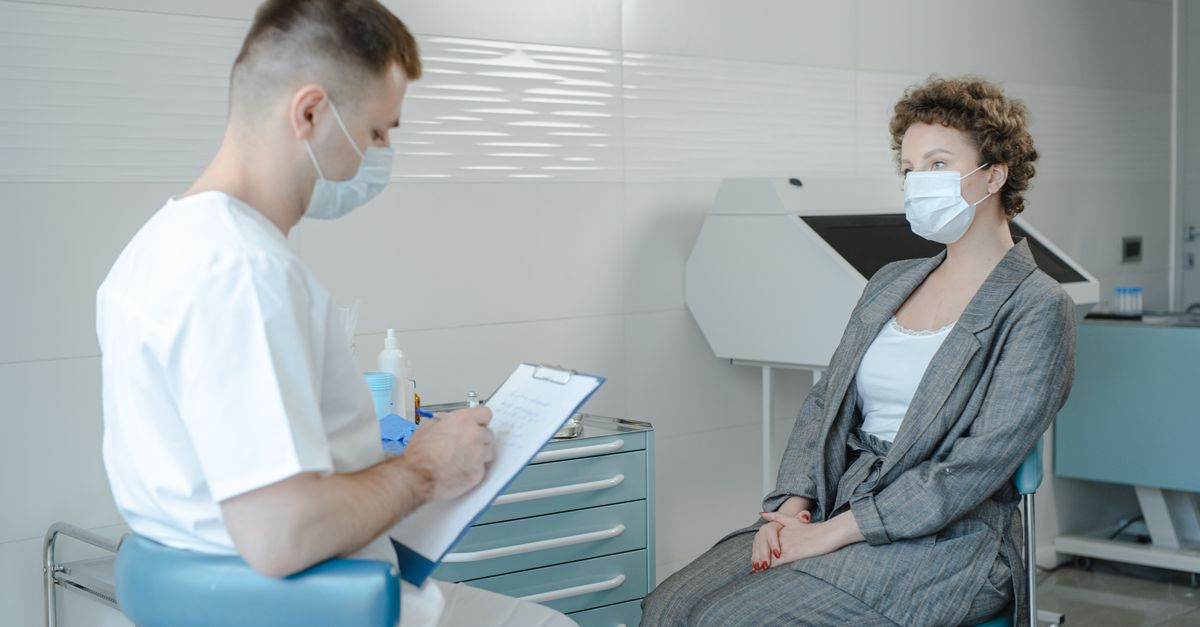
Clearance is a packet, not a single form, and knowing the pieces up front means nothing surprises you at the last minute. Most clinics ask for the same core set of documents, some from a lab, some from your doctor, and some from you. Here is what a complete clearance file usually contains:
Document | What It Confirms | Who Provides It |
|---|---|---|
Blood panel (CBC, clotting, glucose) | Normal clotting, no anemia or infection, controlled blood sugar | A lab, ordered by your doctor |
Viral screening (HIV, hepatitis B, hepatitis C) | No transmissible infection for the surgical team | A lab |
Medication and supplement list | What must pause, what can continue | You |
Clearance letter | You are fit for elective surgery under local anesthesia | Your primary-care doctor |
Cardiologist or specialist note (if applicable) | A heart condition or blood thinner is safe to work around | Your cardiologist or specialist |
Photo ID and consent forms | Identity and informed consent | You and the clinic |
The medication list is the piece people underestimate. A good surgeon needs to know about aspirin and prescription anticoagulants, but also the easy-to-forget shelf — fish oil, vitamin E, and other supplements that thin your blood. It is the same review a clinic should run as part of a proper set of pre-op tests before it ever asks for a deposit.
Which Lab Tests Do Clinics Run Before a Hair Transplant?
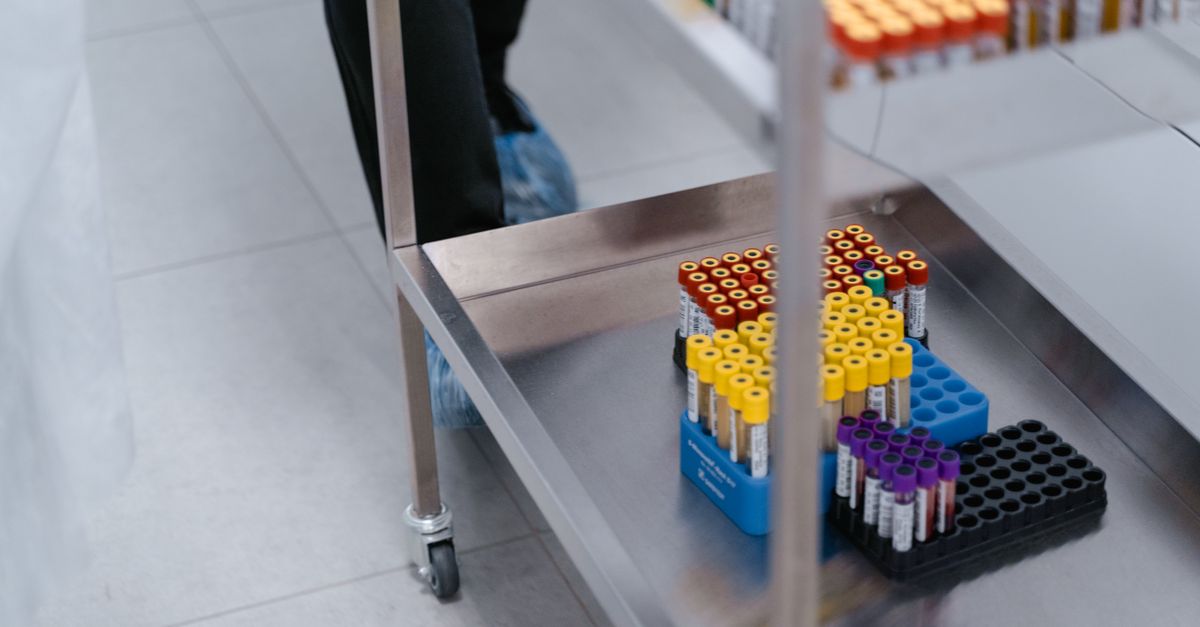
The blood work is the backbone of clearance, and it is usually a single draw. Most hair restoration clinics want these results in hand before surgery:
Complete blood count (CBC) — screens for anemia and signs of infection. The National Library of Medicine lists it as one of the most common pre-surgery tests.
Coagulation panel (PT, aPTT, INR) — confirms your blood clots normally, which matters when thousands of grafts are placed at once.
Blood glucose or HbA1c — flags undiagnosed or poorly controlled diabetes.
Viral serology — HIV, hepatitis B, and hepatitis C, standard before surgery at most clinics abroad.
Basic metabolic panel — a quick read on kidney and liver function.
Blood-pressure check — uncontrolled hypertension is a common reason to postpone.
Labs are usually valid for about three months, so timing is simple: get them drawn a few weeks out, not a year ahead. Most maintenance medications continue as normal — finasteride is typically kept on — while blood thinners and a few others may need to pause on a schedule your prescriber sets. If a result comes back off, that is good news found early, not a dead end: an out-of-range A1C, for instance, is the exact situation our diabetes eligibility guide walks through.
When Do You Need a Cardiologist's Note or Specialist Sign-Off?
Most healthy patients never need more than their primary-care doctor's letter. A cardiologist's note is reserved for specific situations — atrial fibrillation, a coronary stent, a mechanical heart valve, a past heart attack, or any anticoagulant that has to be paused around surgery. In those cases the note comes from the doctor who manages the condition, never from the transplant surgeon, because stopping a heart medication carries its own risk that only your prescriber can weigh. The same logic covers other specialties: an endocrinologist may sign off on diabetes, and a hematologist on a bleeding disorder. If you take a blood thinner, the pause window and the sign-off are non-negotiable — our guide to hair transplants on blood thinners covers the timing drug by drug. Two more details round out the picture: the anesthesia and dosing plan gets coordinated alongside your clearance, and if you smoke, most surgeons ask you to quit for a window before and after to protect graft survival.
How Does Doctours Coordinate Your Medical Clearance?
Through Doctours, the clearance conversation happens before you book anything, not after you land. You share your health history, medication list, and goals at intake, and a surgeon at a vetted partner clinic reviews them against your case — so if a lab needs repeating or a specialist needs to weigh in, you hear it from home, not from a chair in Istanbul. Doctours is free for patients — clinics in the network pay the coordination fee — so no one on our side has any reason to wave you through a clearance you are not ready for. An honest not yet protects you far better than an eager yes.
The vetting is what makes that honesty trustworthy. Before you go, Doctours has visited all 15 partner clinics in person, and five Turkey partners — Heva Clinic, MetropolMED, Vialife Clinic, BlueMagic Group Clinic, and Elithair — hold the Republic of Turkey Ministry of Health's International Health Tourism Authorization Certificate. While you're there, the surgeon confirms your clearance and builds the day around your health, with transparent USD pricing from $2,200 to $7,000 all-in, deposits from $300, and payment plans up to 36 months. After you're home, a US-based care team stays on a 24/7 line through the full growth window — the same team behind Doctours US-based aftercare. Partner clinics carry 378 verified reviews, with BlueMagic Group Clinic averaging 4.9 across 99, MetropolMED 4.8 across 29, Dr. Serkan Aygin Clinic 4.6 across 40, and Heva Clinic 4.3 across 69, and the full vetted network is open to browse.
Is Getting Cleared for Surgery Abroad Any Different?
Not in the way people fear. Your clearance is done at home, with your own doctor and a local lab, then sent to the clinic to review before you ever fly — so nothing critical is improvised on surgery day in a foreign country. That home-first sequence is exactly what the CDC's medical tourism guidance recommends for travelers having elective procedures. The only real difference is who checks the paperwork: a careful facilitator reviews it up front, while a booking mill waits until you are in the chair. If cost is part of the calculation, our Turkey vs United States breakdown and full cost guide show where the math lands.
The Bottom Line
Hair transplant medical clearance sounds heavier than it is. For most healthy adults it comes down to a single blood draw, a written list of your medications and supplements, and a short letter from your doctor — with a cardiologist's note added only if a heart condition or blood thinner is in the picture. Gather it a few weeks out, disclose everything, and choose a clinic that actually asks. Meet those and clearance becomes a checklist you finish, not a gate that stops you.
That is the part worth holding onto. Through Doctours, a vetted partner surgeon reviews your labs and clearance from home before you spend a dollar on travel, quotes your plan as a flat-rate package from $2,200 to $7,000, and backs it with deposits from $300, payment plans up to 36 months, and a US-based care team that stays close while you heal. You do not have to guess what they need or hope a clinic will be straight with you.
You have spent years taking care of everyone else's needs first. Getting your paperwork in order for something you actually want is the same quiet, careful work — just pointed, for once, at you. You get to take that next step on your terms, with a team that treats clearance as a detail to handle together, not a reason to say no.
Wondering whether your health history and labs clear you without flying anywhere first? A free assessment gives you a surgeon-reviewed read on your case, flat-rate USD pricing, and a care team that handles every step — no pressure, no commitment.

FAQs
What is medical clearance for a hair transplant?
Medical clearance for a hair transplant is confirmation from a doctor that you are healthy enough for elective surgery under local anesthesia. It usually combines recent lab work, a full list of your medications and supplements, and a signed letter from your primary-care doctor, plus a cardiologist's note if you have a heart condition or take blood thinners.
What lab tests do you need before a hair transplant?
Most clinics ask for a complete blood count, a coagulation panel that checks how your blood clots, a blood-sugar or HbA1c test, and viral screening for HIV and hepatitis B and C. These are typically drawn within about three months of surgery so the surgeon has a current picture of your health.
Do you need a doctor's note or cardiologist clearance for a hair transplant?
A signed clearance letter from your primary-care doctor is standard, but a cardiologist's note is only needed for specific situations such as atrial fibrillation, a stent, a heart valve, a prior heart attack, or any blood thinner that must be paused. In those cases the note comes from the doctor who manages that condition, not from the transplant surgeon.
How long before a hair transplant should you get medical clearance?
Most patients gather their clearance in the two to four weeks before surgery, since labs are usually valid for about three months and any medication pause has to be timed to the procedure date. Starting early leaves room to fix anything a test flags, like high blood pressure or an out-of-range blood-sugar level, before you travel.
Can you get medical clearance for a hair transplant abroad?
Yes. Clearance is done at home with your own doctor and lab, then sent to the clinic to review before you fly, so nothing critical is left to surgery day in a foreign country. Doctours reviews your labs, medication list, and clearance letter with a vetted partner surgeon before you book travel and confirms whether anything needs attention first.